AI animation is reaching studio quality. A Disney veteran thinks that’s all for the good.
I’ve lived several animation lives.
In one, I was a Disney CG Supervisor in Glendale — sweating vertices and pixels, budgets, schedules, and the quiet terror of director notes.
In another, I was a Disney Creative Executive in China — developing cross-cultural content slates between the Scylla and Charybdis of Burbank and Beijing.
Lately, I’m something else entirely: an independent creator, director, and producer operating outside the Disney castle walls — surfing the animation industry’s most disruptive metamorphosis since the transition from hand-drawn animation to CGI.
Welcome to the AI-pocalypse...
Population: everyone
Casualties: the complacent
Beneficiaries: the creatives
Let’s get the thesis out of the way: the moat between conventional CG animation and AI-generated animation is vanishing — fast. Not theoretically. Not someday. Now. And the people most resistant to this inexorable fact are the cloistered castle-dwellers most dependent on that moat existing in the first place.
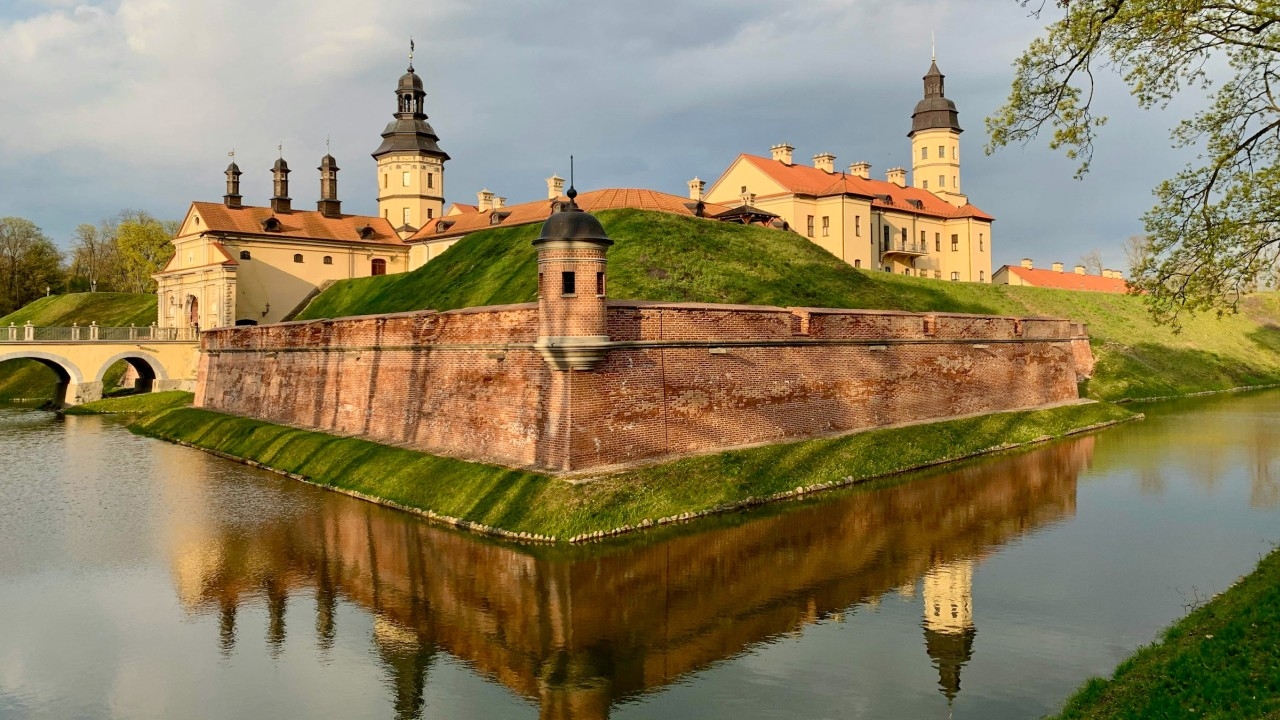
The Vanishing Moat
For decades, studio animation has been protected by a formidable moat: expensive software, specialized labor, institutional knowledge, and armies of highly trained artists moving in synchronized formation. That moat produced masterpieces — but it also groomed gatekeepers, bottlenecks, and an industrial approach that favored scale over agility.
Artist-driven AI is draining that moat.
We’re rapidly approaching a moment where a small, motivated team — or even a single creator — can achieve output that is good enough, then competitive with, and eventually indistinguishable from studio-grade work.
This is terrible news if your value proposition is: ”I am a finely calibrated cog in an exquisitely expensive machine.” But it’s fantastic news if your value proposition is: “I have something to say, but no time or money to waste.”
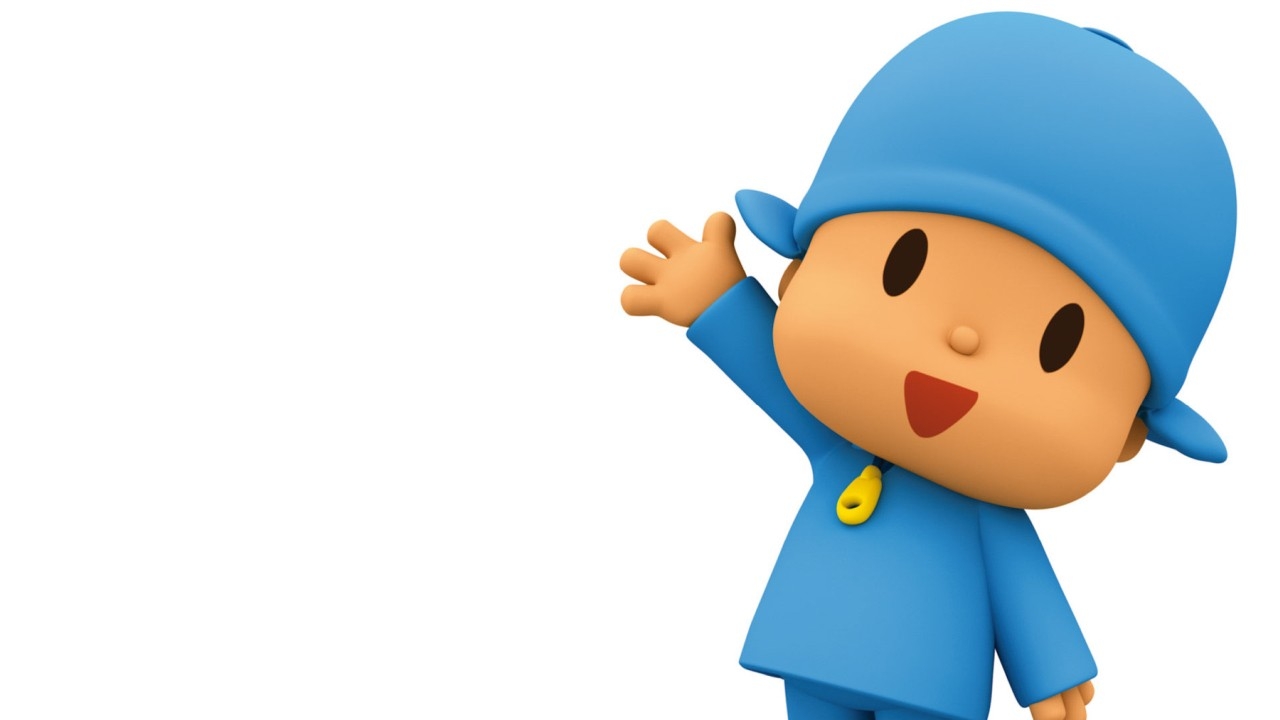
A Case Study: POCOYO Grows Up
Consider Animaj’s acquisition of the POCOYO IP.
The headline wasn’t just about ownership — it was about intent. Animaj has been explicit about producing new episodes using AI systems trained on the existing library, with key creator García Carsí driving the creative direction. That’s the key phrase: creator-driven AI.
This isn’t a faceless algorithm remixing content in a black box. It’s a living style guide encoded into a machine — one that remembers every pose, rhythm, color choice, and comedic beat of the original work. It’s continuity without inertia. Scale without dilution.
Laughing at Fan Art (Until You Stop Laughing)
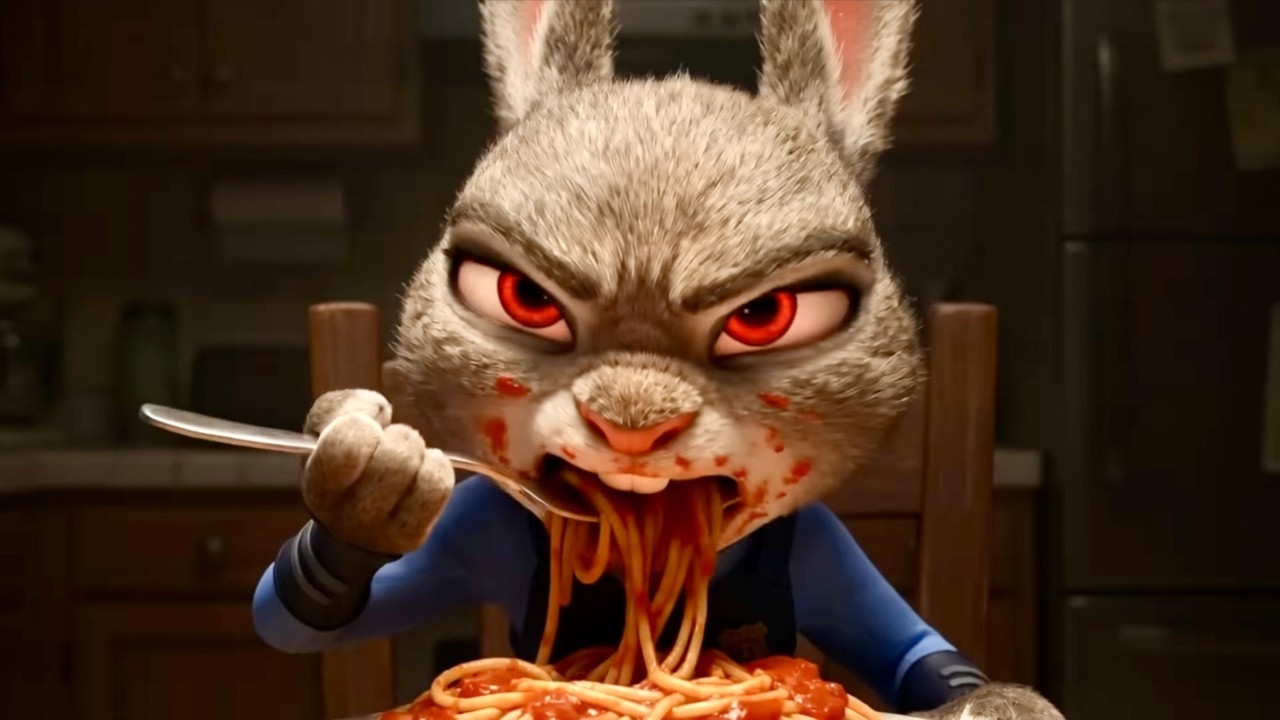
I've seen the derision of Hollywood colleagues — my pampered Disney pals in particular — toward AI-generated Zootopia fan art. To be fair, much of it is smirk-worthy: the Uncanny Valley doing laps in unstable gym shorts. But to be frank: some of it is not bad. And getting better. Fast.
Disney’s leadership is watching: quietly, but keenly.
The Walt Disney Company’s investment in OpenAI — combined with a more relaxed stance toward fans playing with its IP — isn’t corporate naïveté or legal laxity. It’s free R&D. It’s data collection. It’s large-scale, ivory tower-free field testing conducted by eager, uncompensated fans stress-testing the outer limits of the brand, and more importantly… the technology.
With AI, fan art has evolved into distributed prototyping.
Because the moment that fan-generated content crosses an inflection point — when it starts delivering more compelling visuals, faster, and in greater volume than a studio team constrained by budgets, schedules and approvals, and cost structures — the corporate conversation changes overnight. Strategically. Irreversibly.
Studios don’t panic when something is bad. They panic when something is almost good. They reorganize when it becomes better.
And if you think Disney — of all companies — isn’t carefully tracking this inflection point, you haven’t been paying attention to how successful entertainment empires survive technological change.
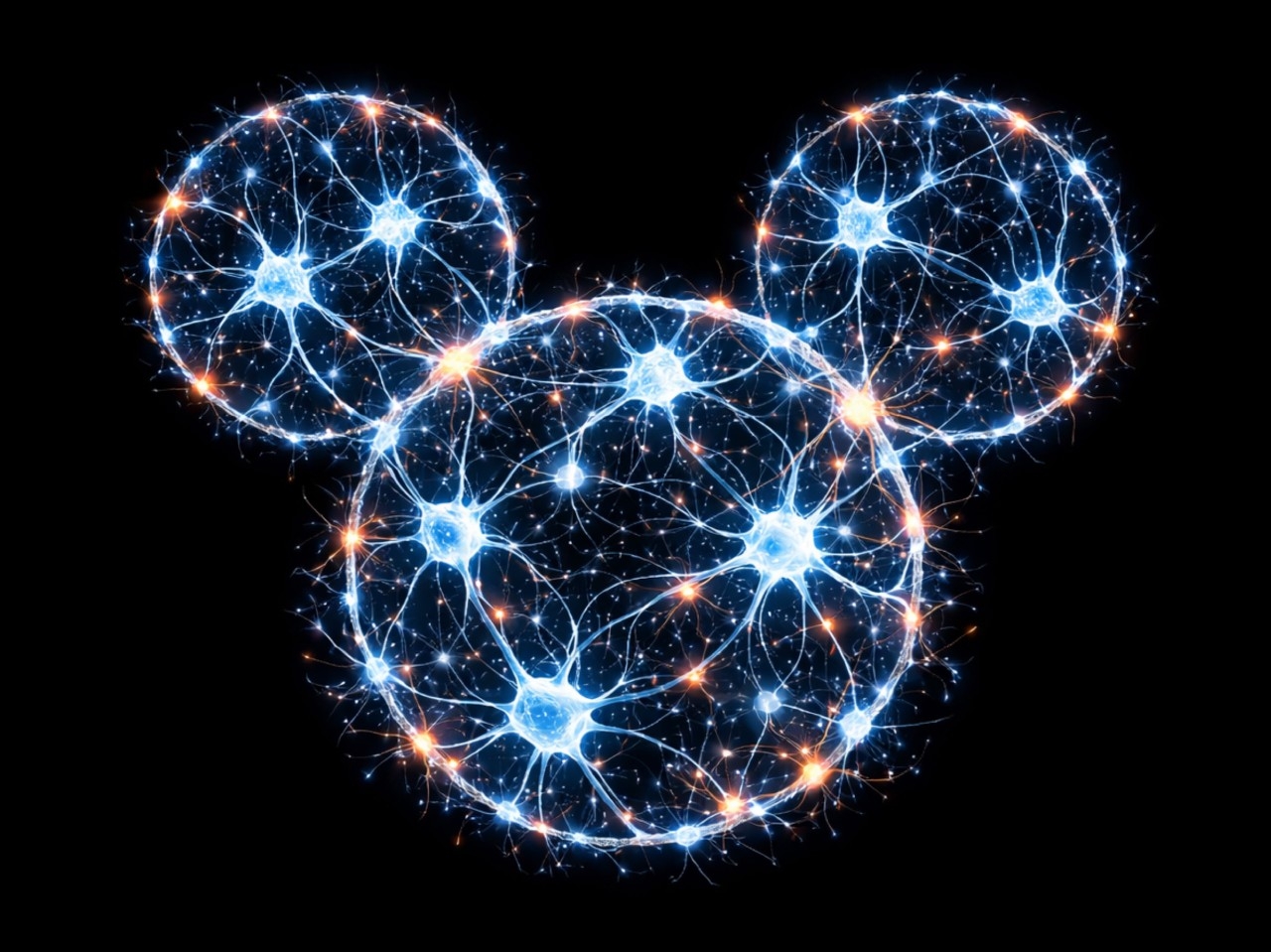
Disney’s Developing AI Ecosystem
If Disney is smart — and it has been, in the aggregate, for a century — then somewhere deep inside the Mouse House, bespoke AI systems are being trained on decades of conventionally produced content — most likely at Disney Research, if not on the tech-threatened turf of Disney Animation.
These AI systems will feed streaming platforms. They’ll power experimental shorts, personalization engines, daily drip feeds of rapid-fire content, cultural localizations, and sooner than later: animated feature films. The studio that fails to do this will not be protecting the art of animation; it will be consigning that ossified art to the dustbin of history.
The irony is that the very creativity and craft that artists fear AI will devalue is precisely what AI requires in order to evolve — much as the engagement of artists with computers in the 80’s and 90’s defined the digital arts.
Apocalypse for Some, Renaissance for Others
Let’s be clear: this transition will hurt. Jobs will disappear. Roles will blur. The middle layers — production structures optimized for a pre-AI world — will take the biggest hit. That pain is real, and it deserves empathy.
But creatively? Culturally? Artistically?
This is a CREATIVE RENAISSANCE.
The tools are tilting back toward the individual, as they inevitably do. Toward the director-artist. Toward the weird, the specific, the personal. Toward creators who don’t need permission to take risks.
AI doesn’t kill creativity. It kills complacency.
And for those of us who left the safety of the moat-ringed castle to build something of our own, that’s not the end of the world.
That’s the start of the fun.

Kevin is the author of AWN's Reality Bites blog, his musings on the art, technology and business of immersive media (AR, VR, MR) and AI. You can find Kevin's website at www.kevingeiger.com and he can be reached at [email protected].