The visual effects supervisor details the Apple TV film’s dramatic, incredibly realistic portrayal of a school bus driver trying to get his passengers to safety as the entire town of Paradise, California is engulfed in flames that eventually claimed 85 lives in 2018, the deadliest wildfire in state history.
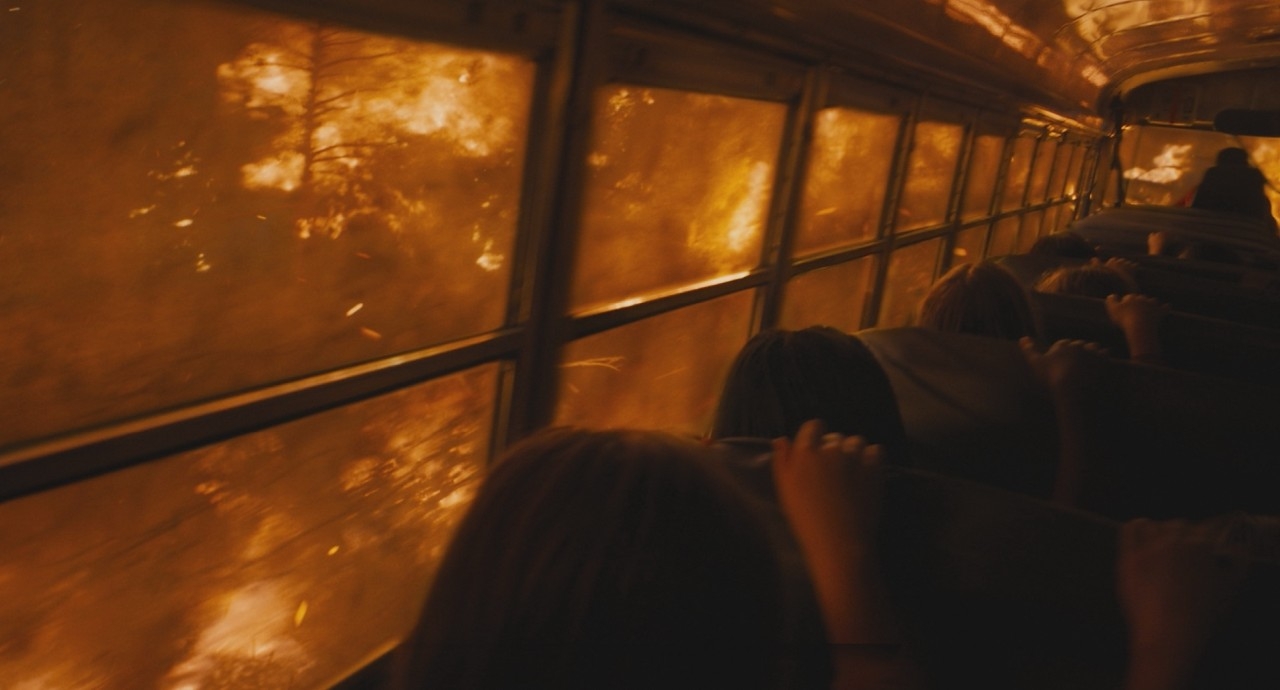
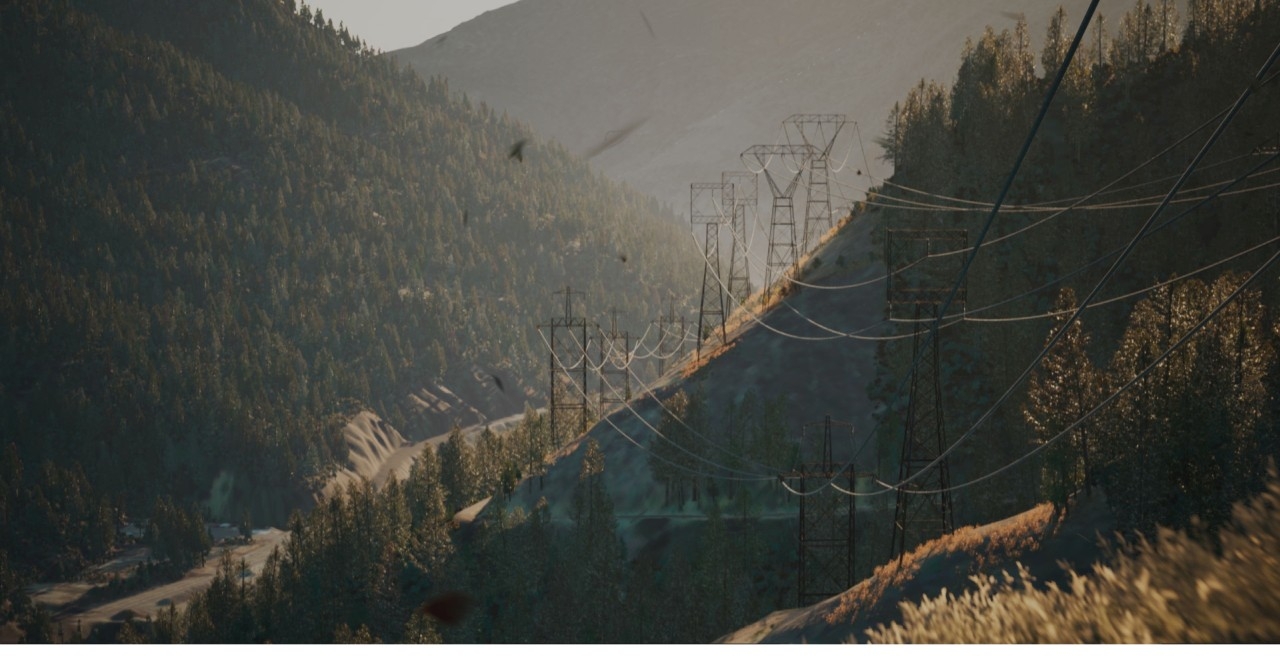
On their sixth collaboration together, Charlie Noble got to literally set the world ablaze alongside filmmaker Paul Greengrass as they recreated the most devasting wildfire in California history in Apple Original Films’ The Lost Bus. The nail-biting drama, streaming on Apple TV, has been nominated for numerous awards including for Best Visual Effects at this year’s Academy Awards. The film is also contending at the VES Awards for Outstanding VFX in a Photoreal Feature, Outstanding Environment in a Photoreal Feature for The Wildfires of Roe Road and Feather River Canyon by the Pulga Bridge, and Outstanding Effects Simulations in a Photoreal Feature for Escape from Hell.
In the film, school bus driver Kevin McKay (Matthew McConaughey) attempts to bring his passengers to safety as the whole town of Paradise becomes engulfed in flames that ultimately took the lives of a staggering 85 people while destroying 18, 804 structures and 153,336 acres of land over a period of 17 days in 2018.
“I spent about eight months in prep putting together all the reference that we could find from that day of the fire with the help of the film’s researcher Nicola Barnes,” states Charlie Noble, the film’s Visual Effects Supervisor. “We ended up with about a hours’ worth of material from various witnesses. We got a lot of help from John Messina, who was the Camp Fire Incident Commander; he gave us a lot of reference from the day and also a lot of advice along the way. John was with us during the shoot and I bounced a load of stuff past him in post as well to get his input. That was invaluable.”
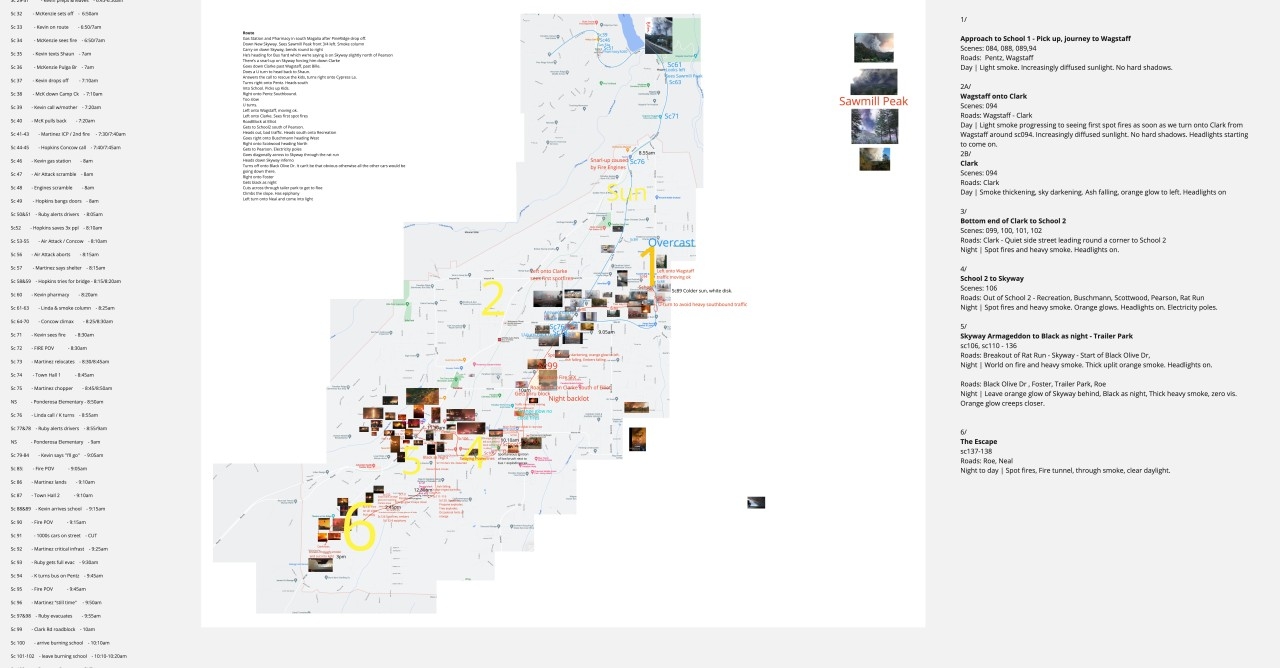
The next stage of planning was to get a map of Paradise. “I plotted out the route of the bus on the day of the fire from where Kevin McKay dropped off his busload of kids at his first school and then laid out all of the reference that I had found along this map route,” explains Noble. “We could go along the route and on a virtual whiteboard, I put up various reference clips so we could demonstrate how the fire progressed and how the conditions worsened. I could then take the cast and crew through that, so everyone knew what we were trying to achieve for each scene.”
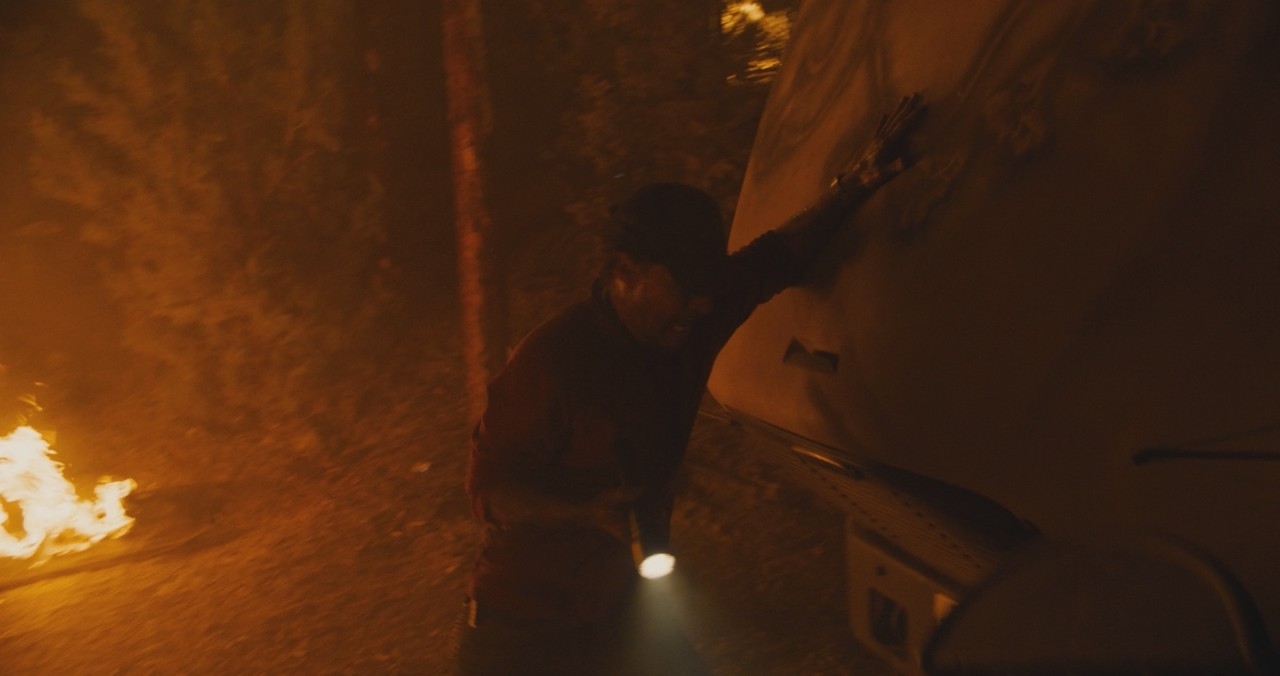
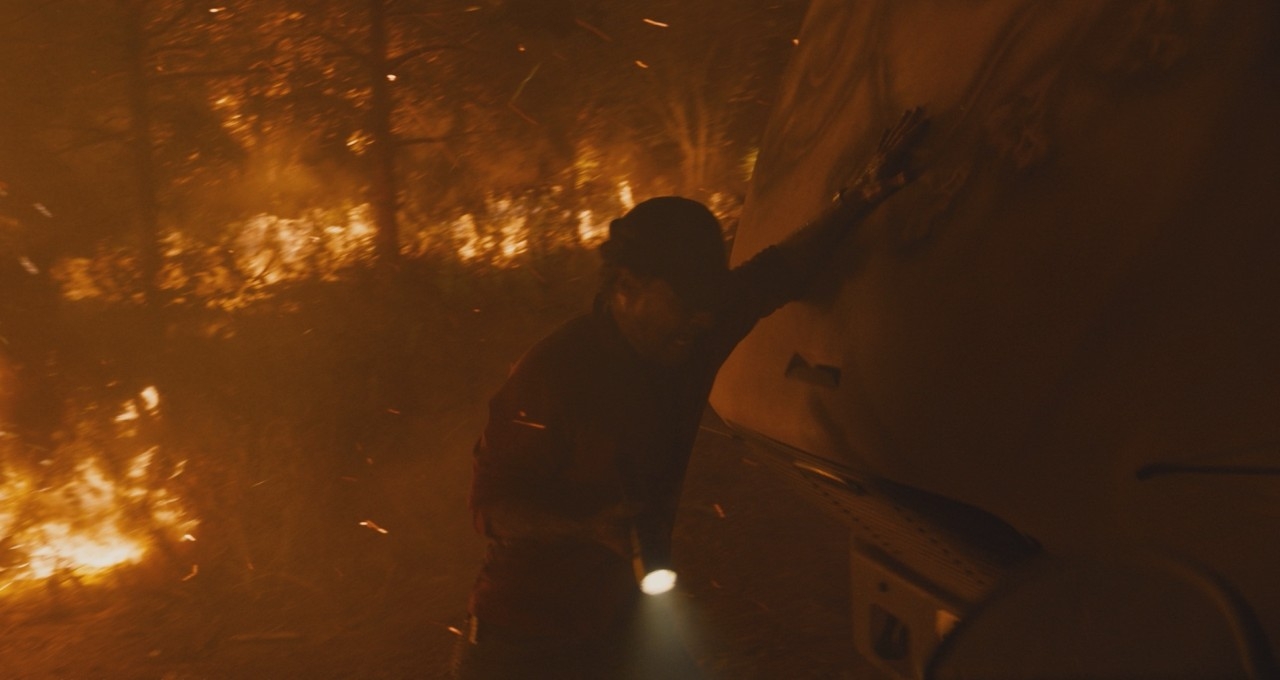
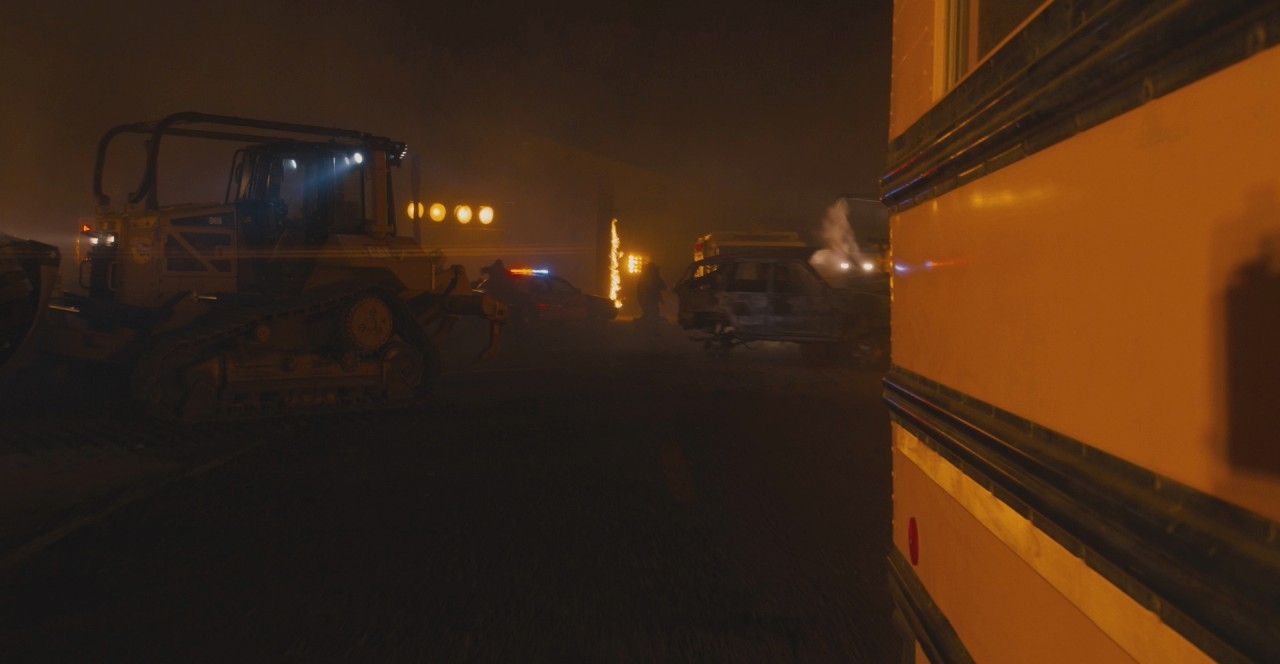
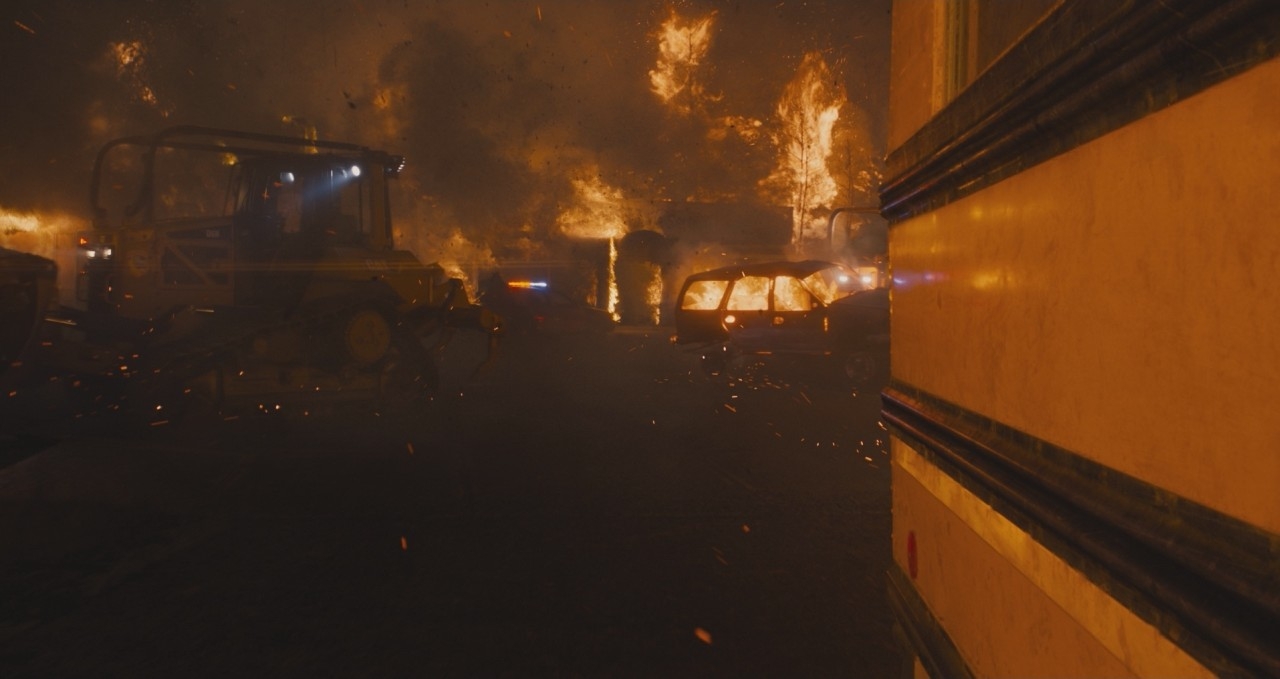
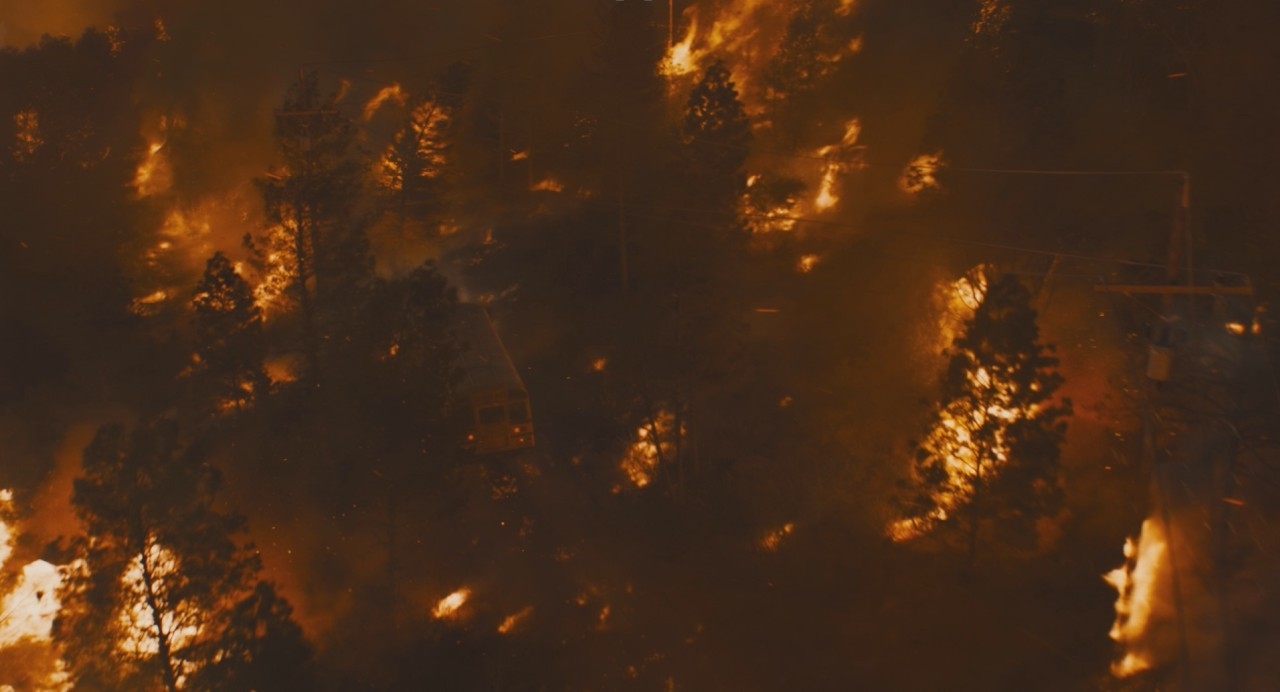
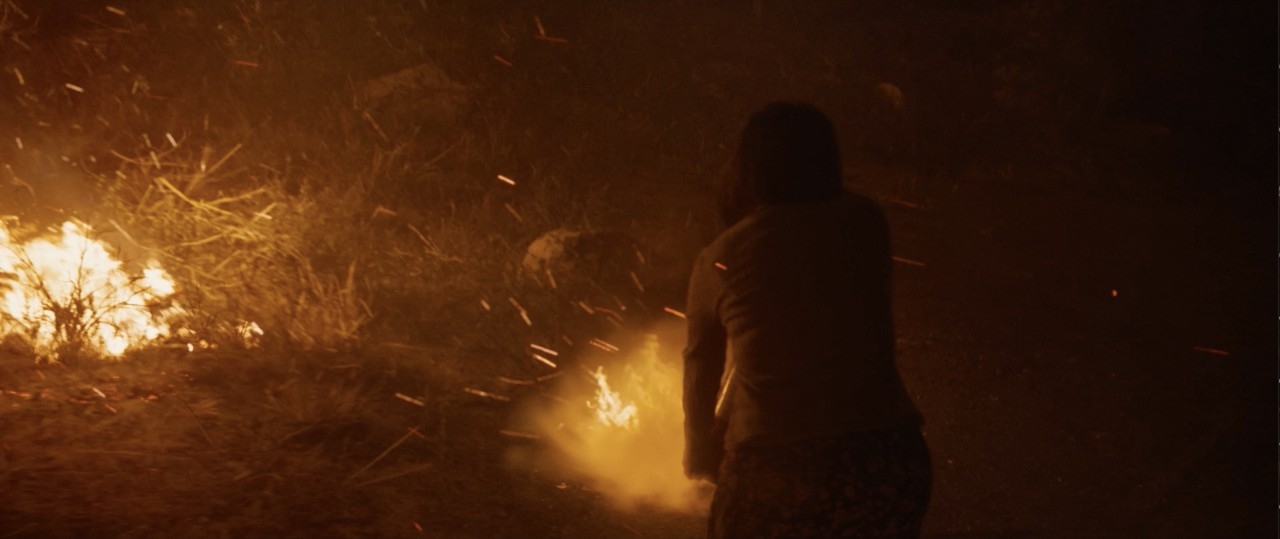
Backlot photography took place in Santa Fe, New Mexico with special effects contributing practical fire. According to Noble, “We had a number of red flag days where we couldn’t have any flames. Safety was paramount. Brandon K. McLaughlin, the special effects supervisor, gave us as much as he could but the fire had to be [created with] propane. We probably exhausted the whole of New Mexico’s supply of propane! For each shot we always had some real flames there for us to build off of. We then painted over that with burning CG vegetation that could then emit thick smoke and clouds of embers that were burning everywhere. Embers were a key story point. Embers were pushed by the 50 mile per hour gusts way ahead of the main fire front that allowed the fire to leapfrog its way quickly from the initial ignition point in Paradise.”
Greengrass viewed the fire as the story’s chief antagonist. “We spend a lot of time with the cast, but those Ember Cam shots gave us a chance to see the fire from its POV as it approaches and stalks the cast.”
In the film, the heavy winds were just as significant as the embers. “We shot in real locations, but we had to establish these Diablo winds,” states Noble. “We added CG trees, shrubs, and grasses. Then we added dust and detritus into the air. We were blowing around leaves and pine needles, flags, and had swaying powerlines. Anything to sell the strong wind.” The powerlines were originally built in the 1920s and have been maintained over the years. “The jumpers on the pylons that join the two bits of cable together are held on by fairly insignificant hooks and over the years these things have swayed backwards and forwards. Even though the hooks are made of thick steel, they’ve worn down and at some point, wear all the way through. Took breaks, the jumper swings down and smashes against the pylon. You get a whole bunch of sparks going down to the ground. Then, in the strong winds, the sparks quickly started to burn through the dry grass.”
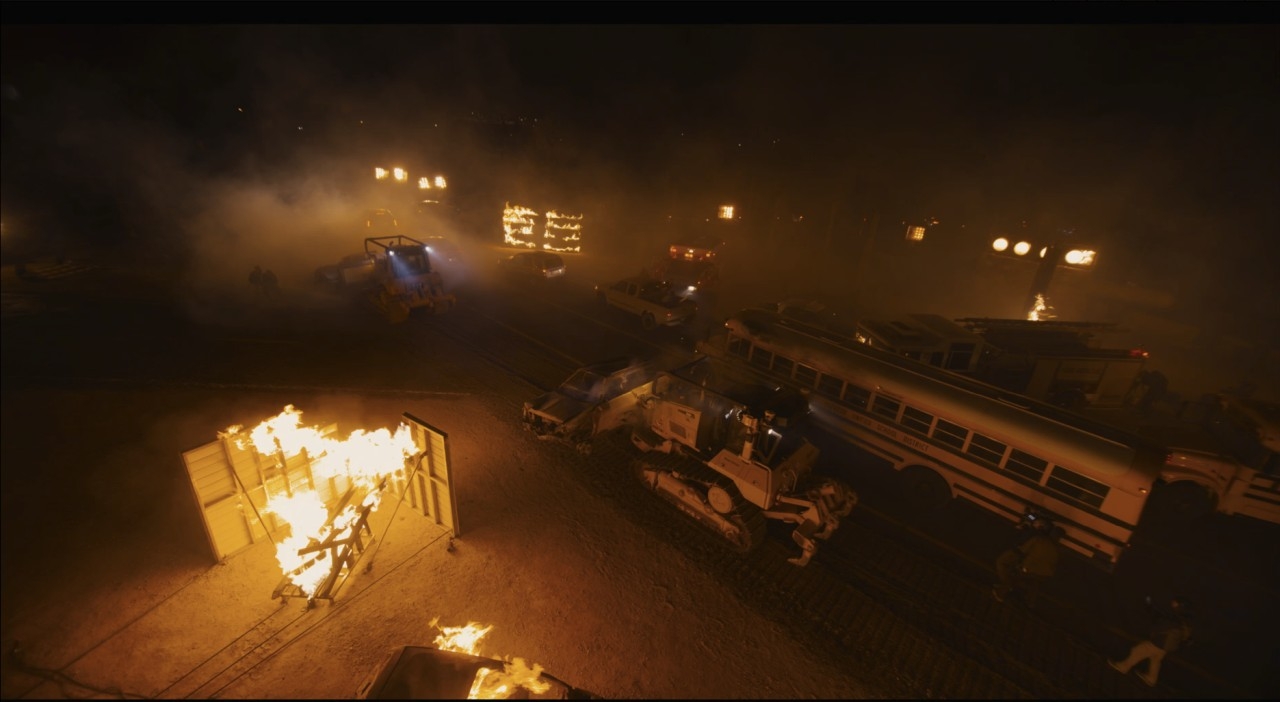
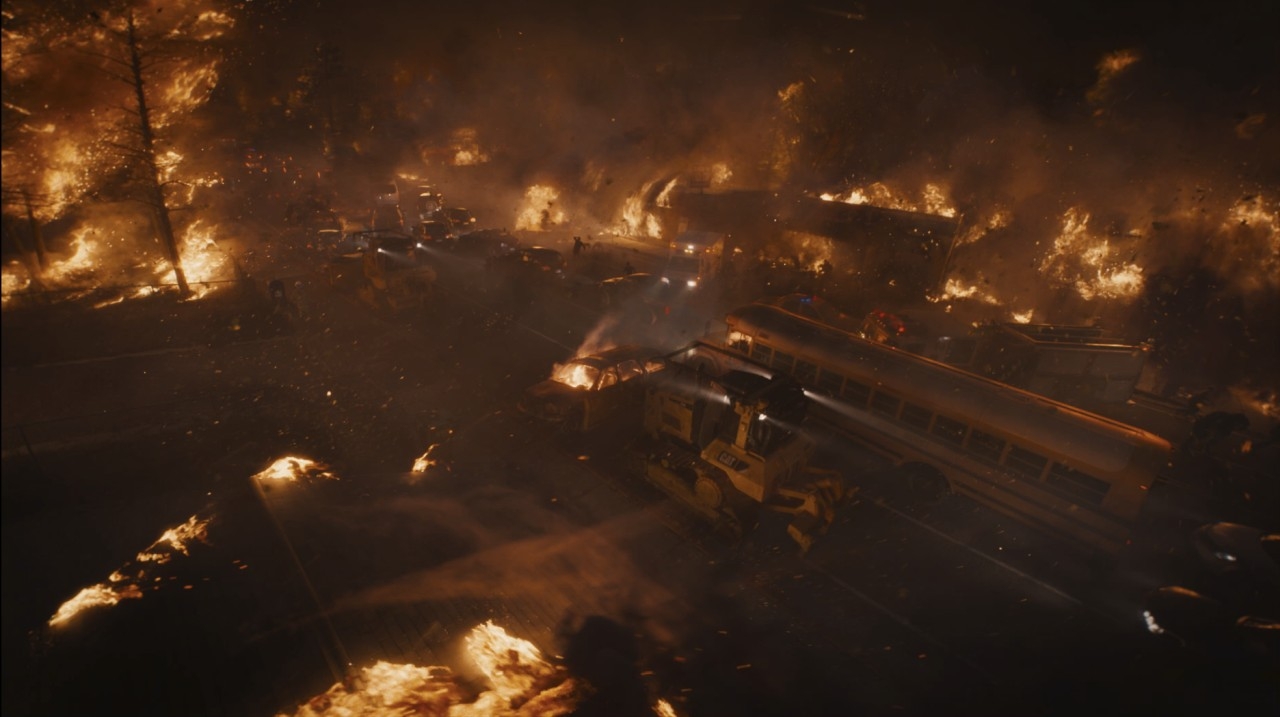
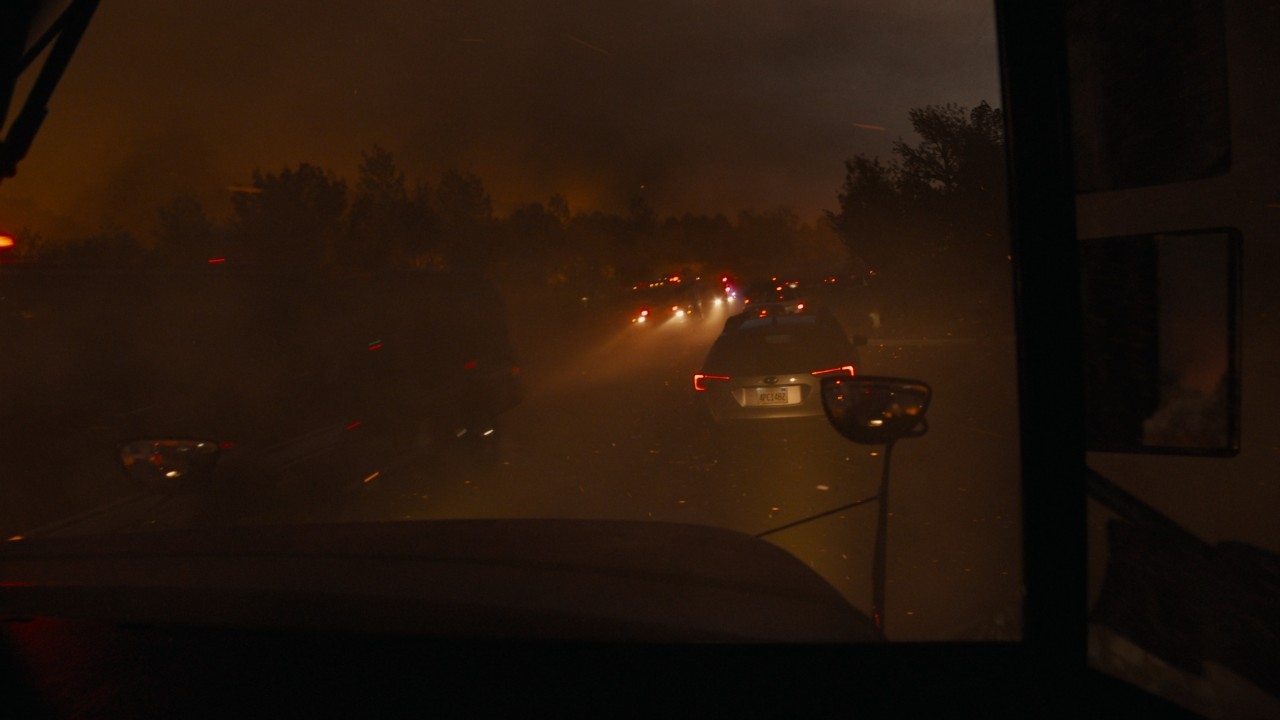
Things get so bad that day turns into night because of the thick black smoke. “We get reminded of that towards the end when the kids are sitting in the bus and they’re trying to decide what to do,” recounts Noble. “One of the kids ask, ‘Is it nighttime?’ Kevin goes, ‘No. The smoke has blotted out the sun.’ It was a good reminder. It had been so dark for such a long time.” Continuity was always an issue during principal photography. “The pre-fire part of the film was shot in a town called Ruidoso, New Mexico,” Noble shares. “Kevin is driving around picking up and dropping off kids. Then we went near Santa Fe for more of that pickup and drop off. Then we moved to the backlot for when we’re getting into the fire, the smoke is getting thicker and it’s getting darker. We would rehearse for three or four hours on the backlot and wait until the magic hour. Then we would scramble for a frantic hour and a half to get as much as we could with the little bit of ambient light left. When the smoke was getting really thick, we were cheating it at night. We would have to replace skies to give it that Martian orange glow; we could have just black skies. We put in the odd break into clouds to remind us that there are some patches of daylight out there, especially when they decide how to get out of town. Kevin goes, ‘We’ll head to that patch of blue sky.’”
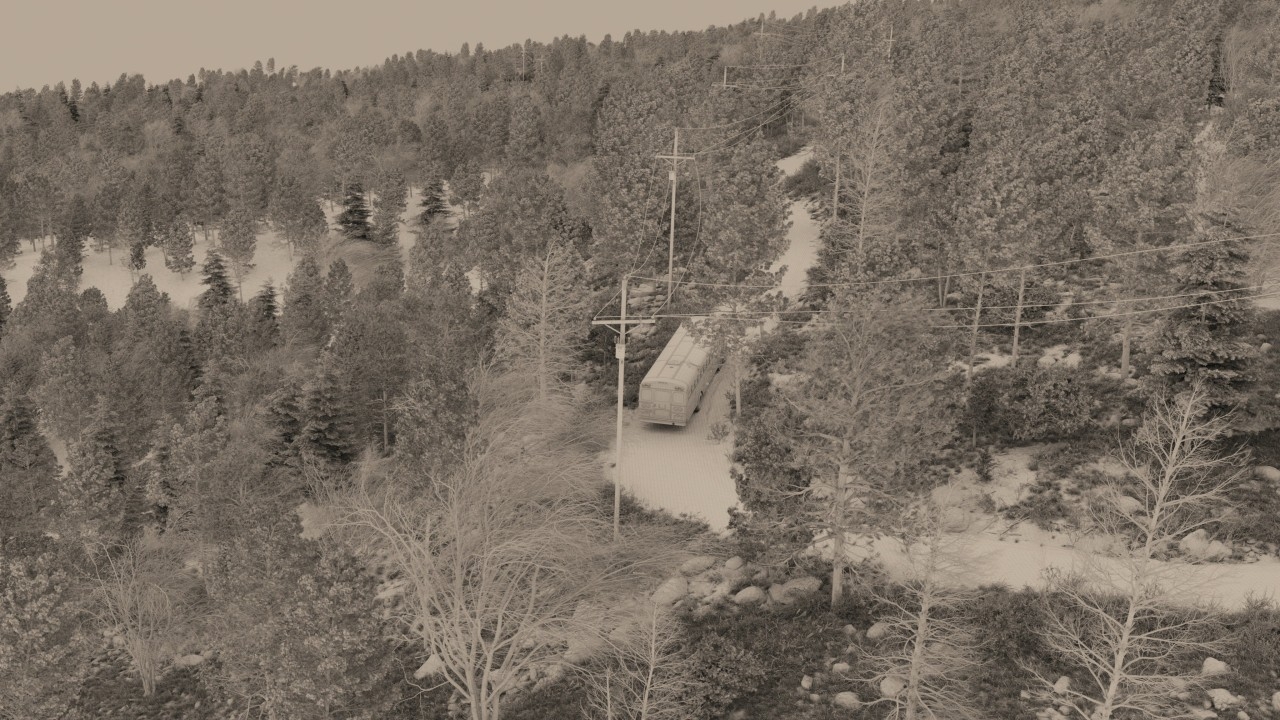
Extensive reconnaissance was conducted to create environments such as Roe Road, Feather River Canyon, and Pulga Bridge. “We built a good previs model of Pulga Bridge from available elevation data from the U.S. Survey coupled with historical agricultural survey data, which tells you what the forestry was like in 2018,” remarks Noble. “Before it all got burned down, we could see the distribution of various types of trees around that location. We also had Google Street Map imagery from 2018 which allowed us to go back to see what it looked like. We did aerial and ground surveys, aerial and ground shoots, and plate shoots so we had a good model built for that whole sequence. Then we shot the live-action bits and pieces on the backlot. It was impressive work done at RISE in Germany.”
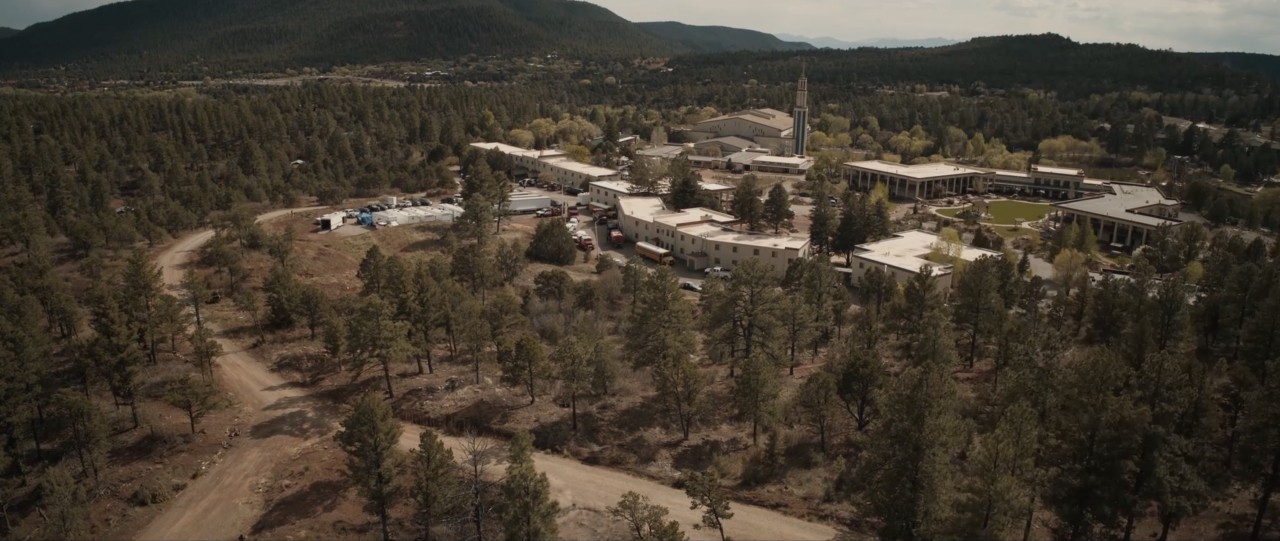
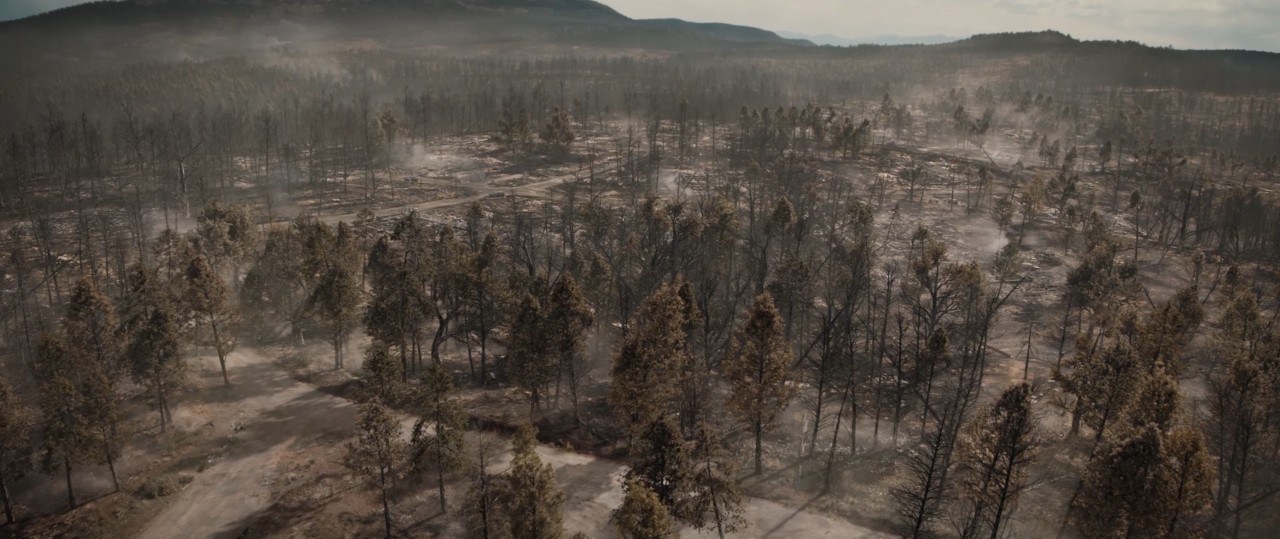
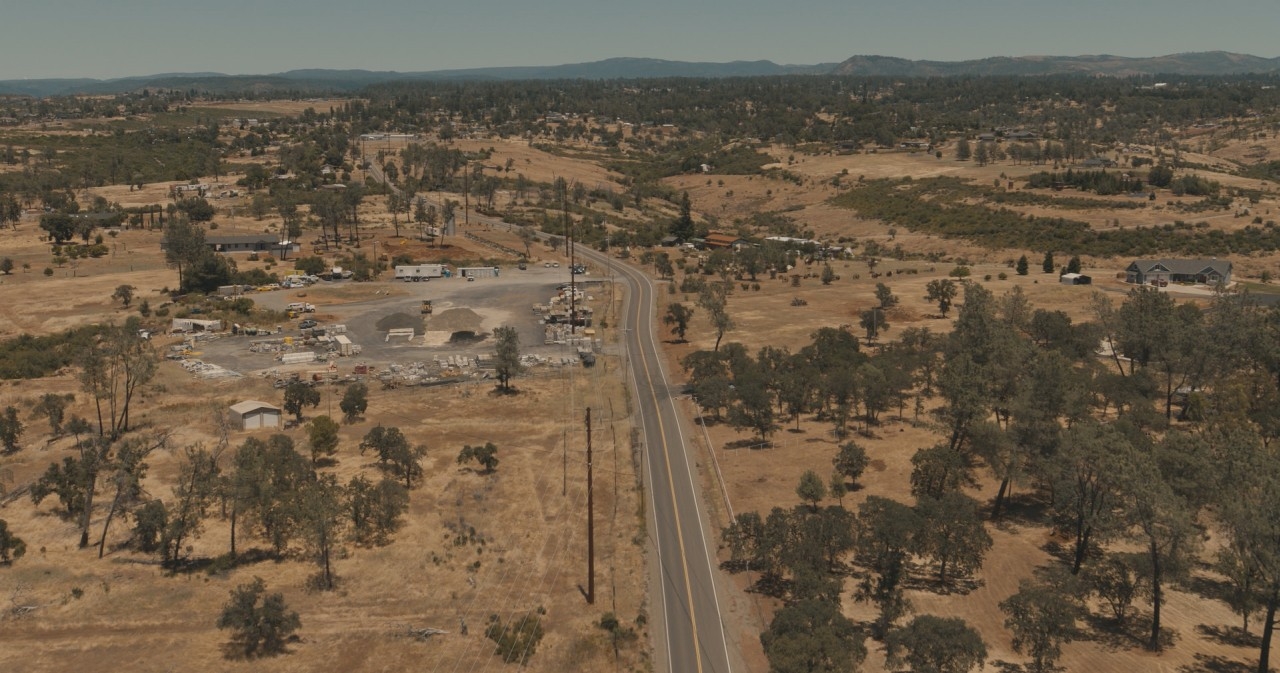
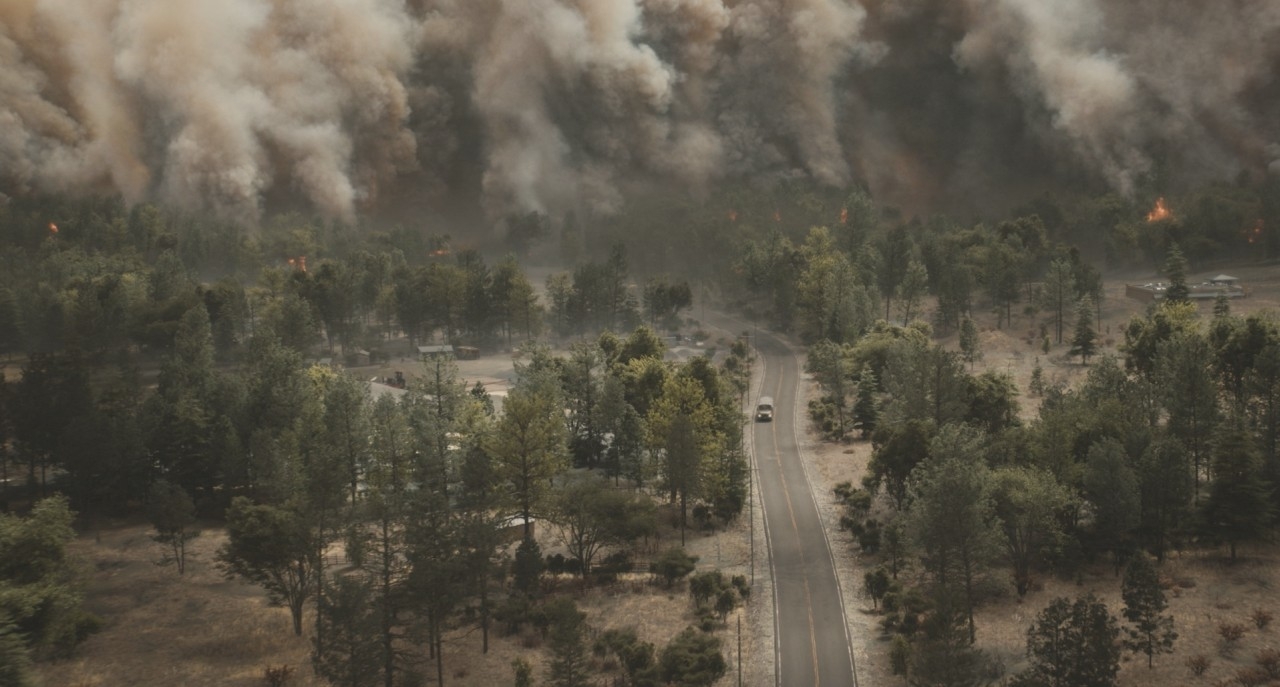
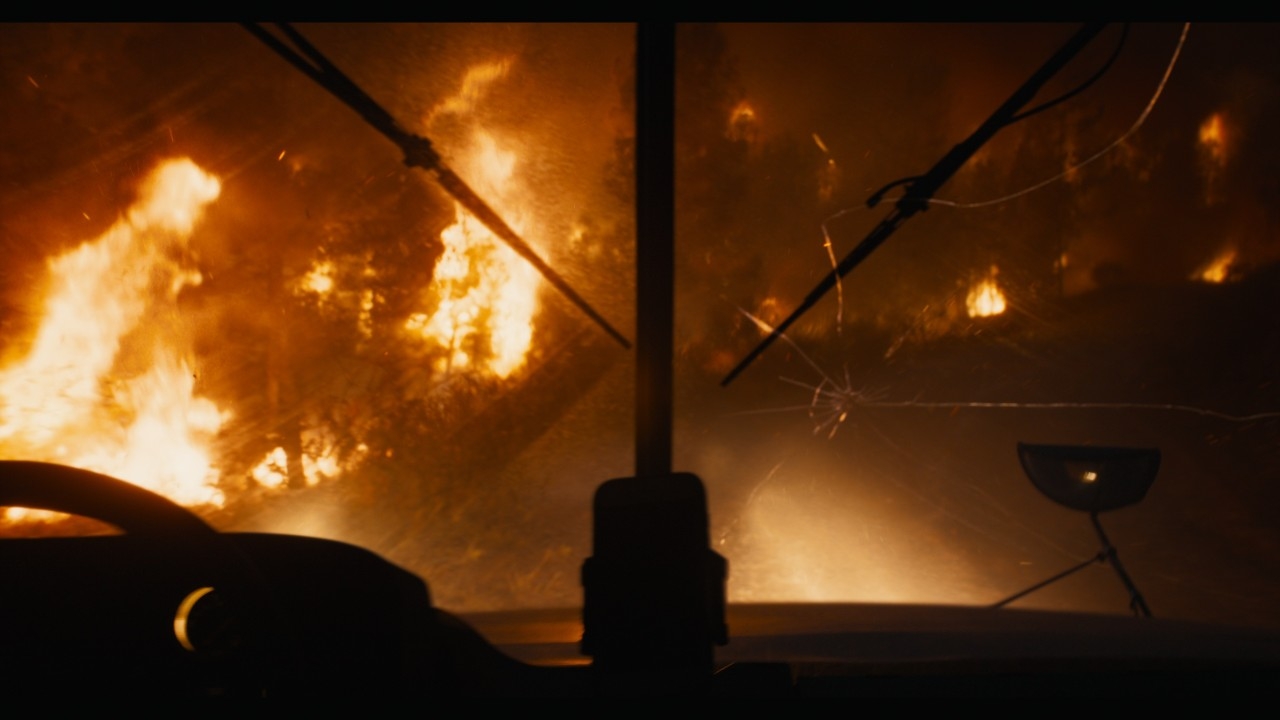
It is an absolute inferno by the time the school bus gets to Roe Road. “No one else is going down Roe Road because its treacherous and narrow, with a high chance it would be blocked,” Noble says. “We shot some of this on the backlot. Our second unit did go through a narrow precipitous track near Santa Fe that was lined with lots of propane. There were numerous practical flames. But it was still a mile and a half long and there weren’t enough special effects and lighting available in the world to properly light it up. We matched that with some of the CG exterior shots. We copied the elevation of the bus, took as much real stuff out of the plate as we could, like tire interaction with the ground. Everything had to be replaced, but at least we were basing everything on reality, which is important. We didn’t have any cameras you couldn’t achieve for real. All of the bus animation was based on the real bus. It all rang true.”
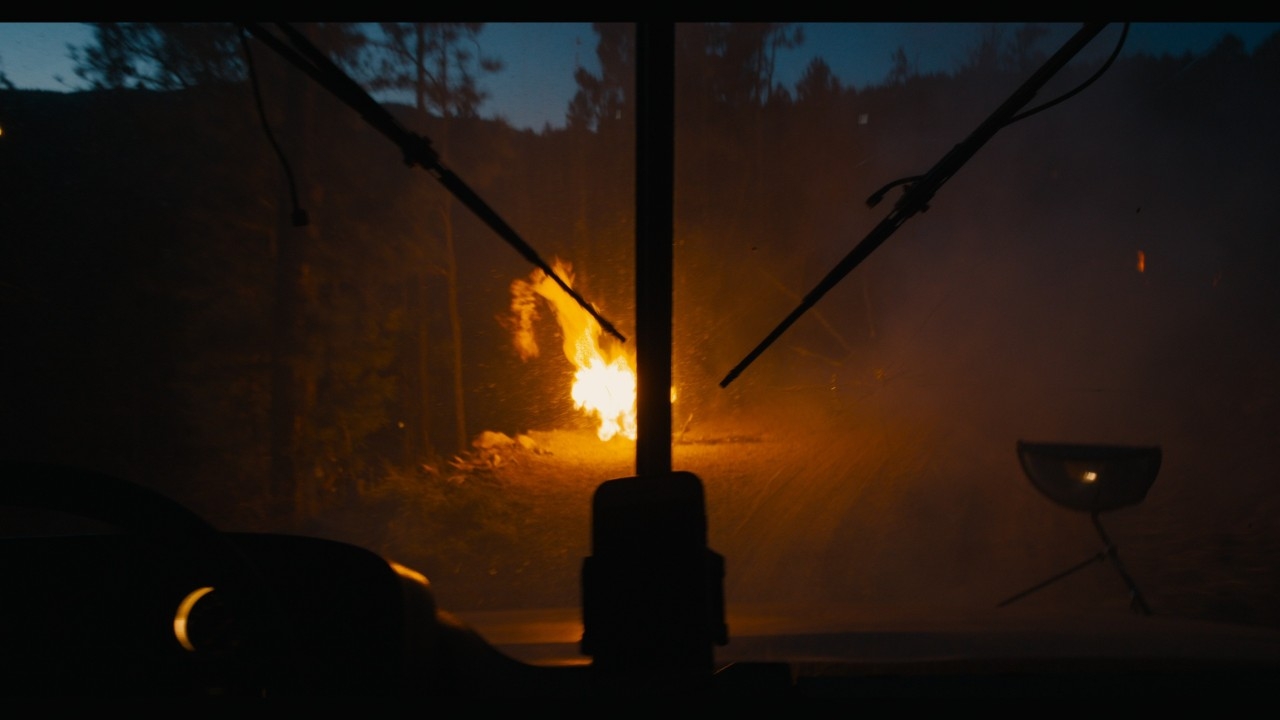
For the interiors of the bus for the Escape from Hell sequence, the action was captured onstage. “The original thought was to shoot this on a volume for interactive lighting, so we generated 20-minutes-worth of a virtual environment that StageCraft at ILM produced,” reveals Noble. “It was never going to be final pixel but was great for interactive light. When we actually came to it, we had achieved so much on the backlot with all of the exterior second unit stuff that we didn’t need to go whole hog with building a volume. Brandon McLaughlin put the bus on a hydraulic actuator, so it bounced around to match what the bus was doing at the actual location when the second unit shot it. We then surrounded the bus with two big rings of Mimik lights, which we then played back with the material that we had generated. We did get some good light going around the bus. We had 50 to 60-foot-long dolly tracks so we could push these flame bars down either side of the side of bus. We got this great moving light. We built a CG environment to go around our bus.” Aerial shots were intercut with the interior shots as well as with ones captured by virtual camera cars following the bus with crane arms.
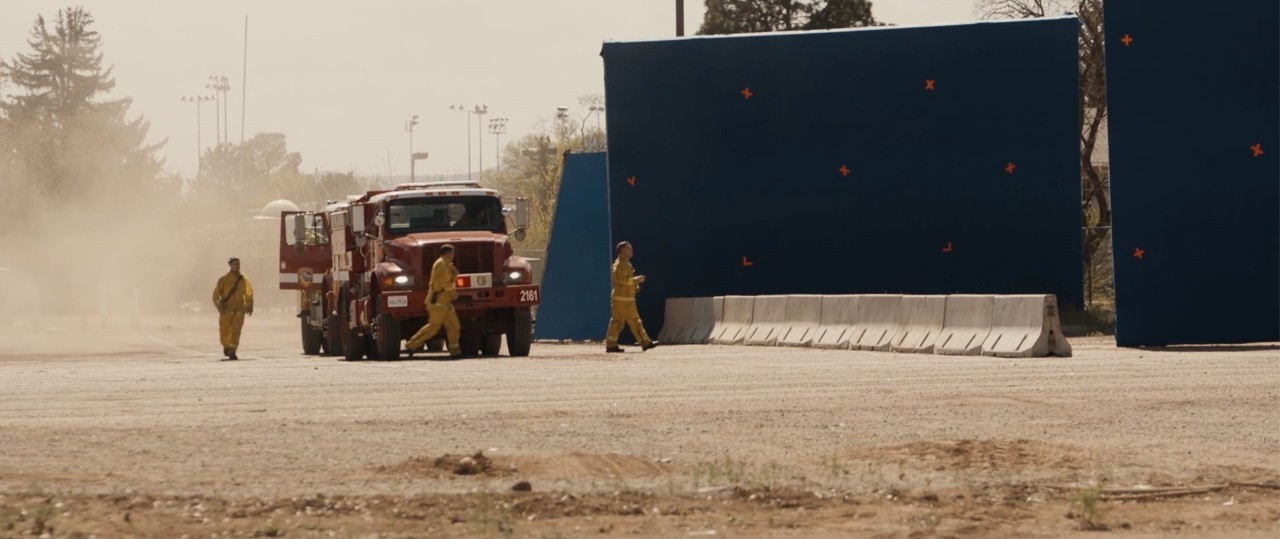
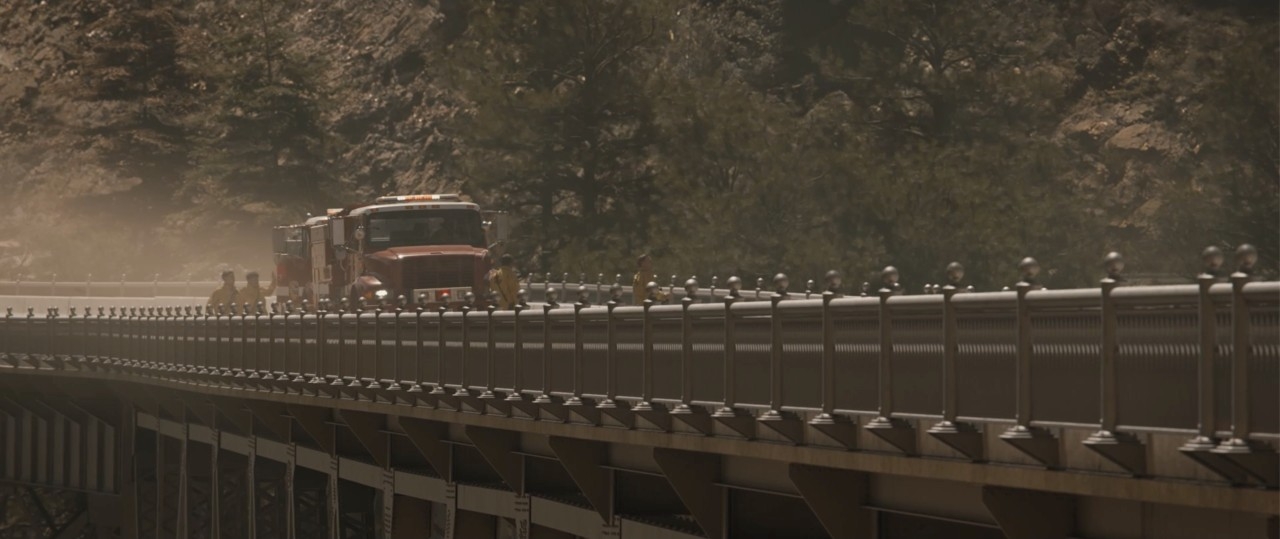
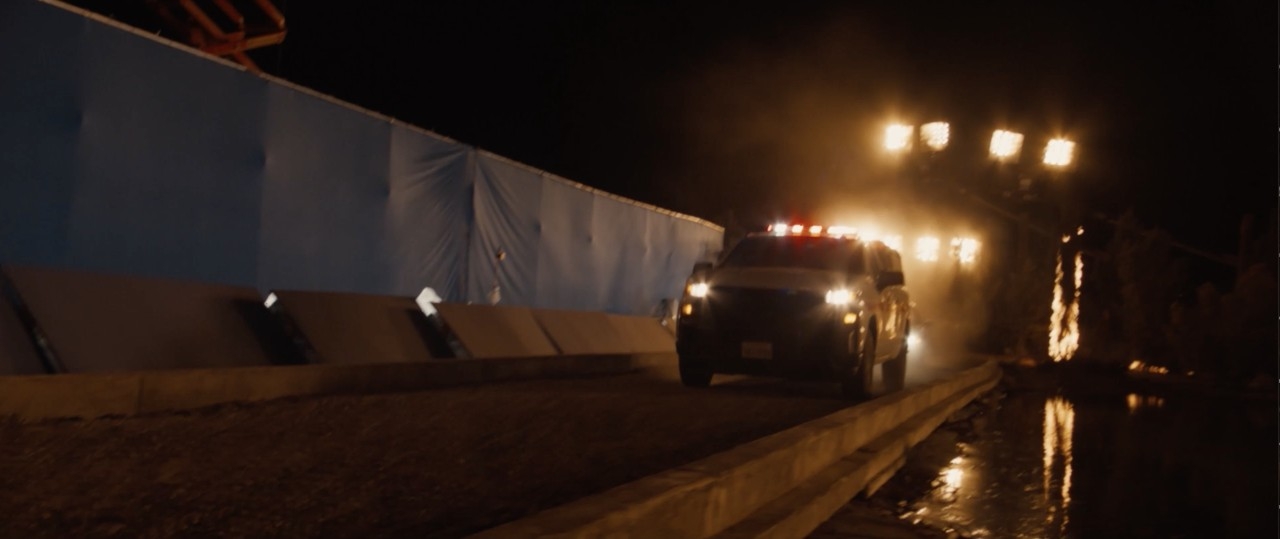
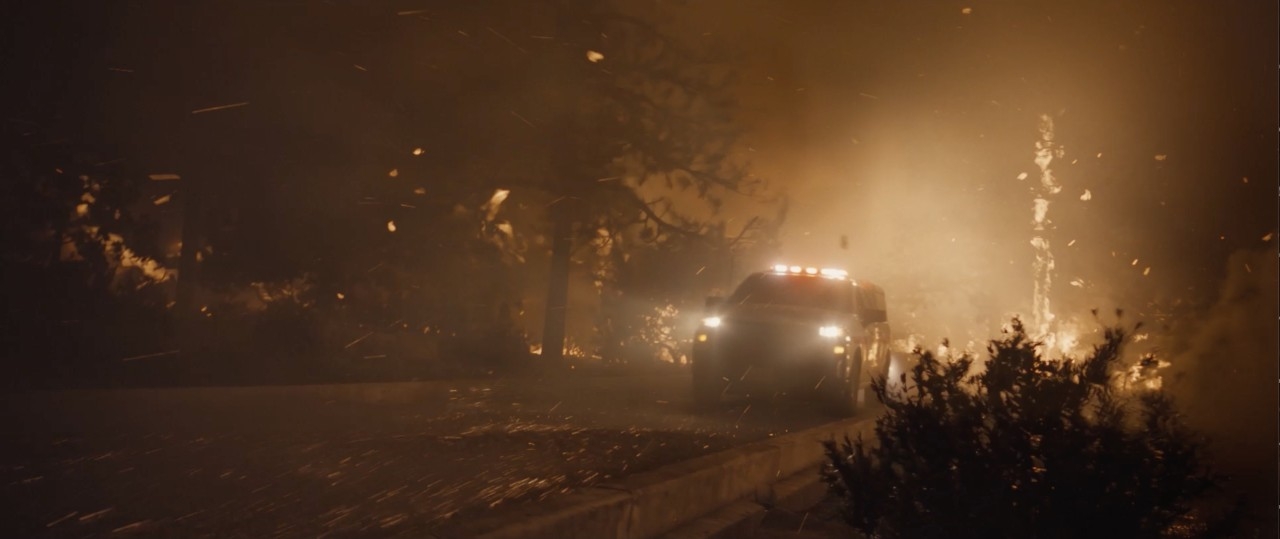
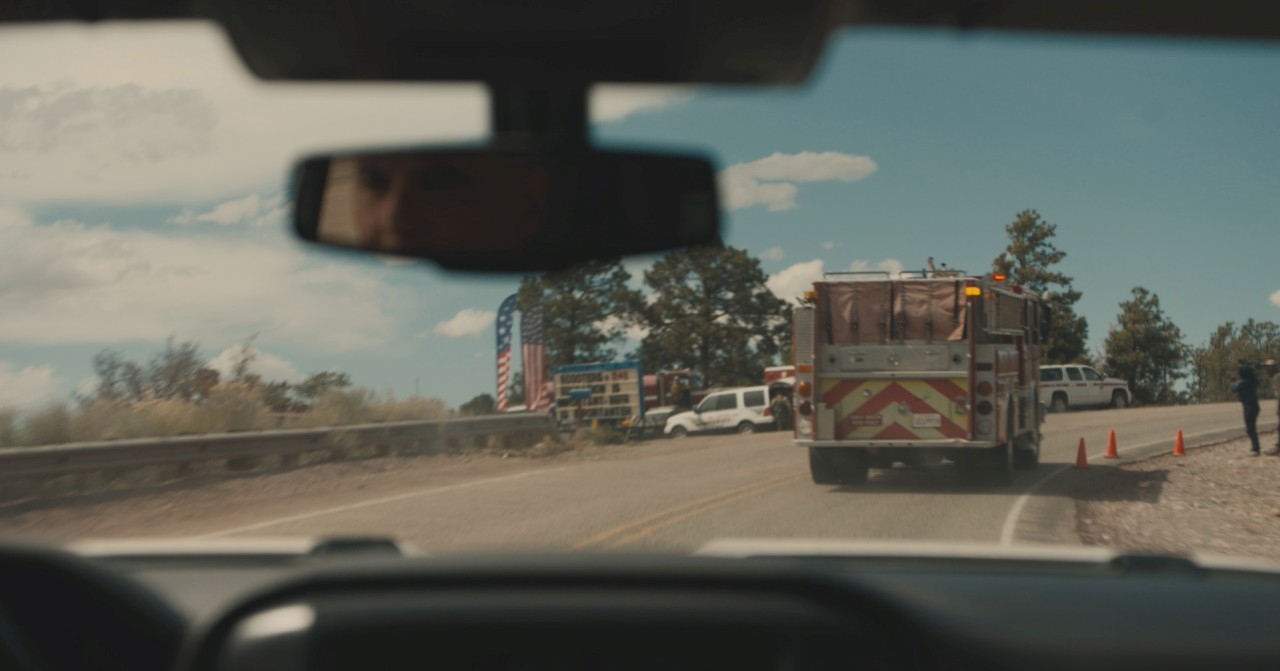
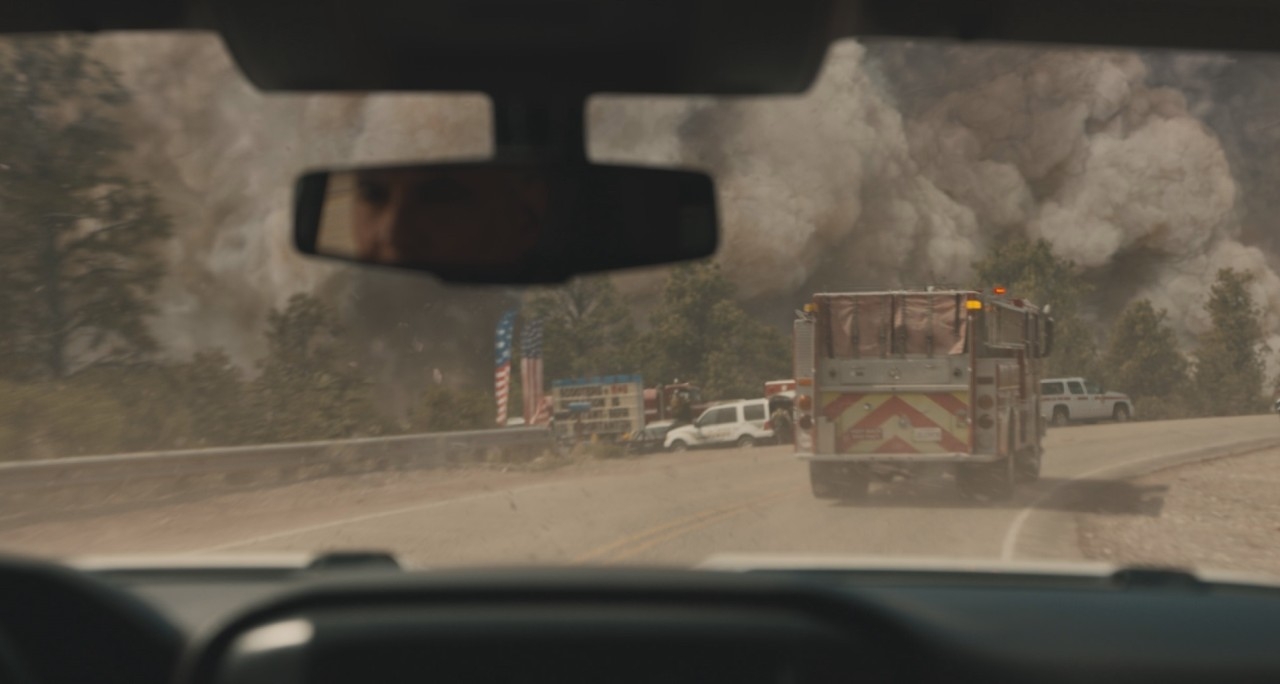
1,480 visual effects shots were produced, which does not tell the entire story, especially when taking into account the screentime. “On my previous movies with Paul, the average shot length is two or three seconds,” notes Noble. “However, these shots were much longer, and we actually ended up with 90-minutes’ worth of visual effects in the two-hour-nine-minute-runtime of The Lost Bus.” Assets, not shots, were shared amongst the visual effects companies. “Gavin Round, the visual effects producer, did a good job splitting the work out,” Noble notes. “beloFX was the first port of call because I’ve known some of those guys for 30 years. They did a lot of the previs and built the whole bus route in Unreal Engine. We were able to drive through the town as the conditions are worsening. ILM was the next place we went because we needed someone who had done it before and had the clout and heft to be able to get through such a large volume of simulations and rendering. Then we had Cinesite, RISE, Vitality VFX, Mist VFX, and Outpost VFX, which did the sequence where the bus gets lost in the maze of the trailer park and the devastation that we see at the end. We also had an in-house team called Host VFX which went through a couple of hundred shots. Proof did a lot of our previs and a bit of postvis with The Third Floor and Halon.”
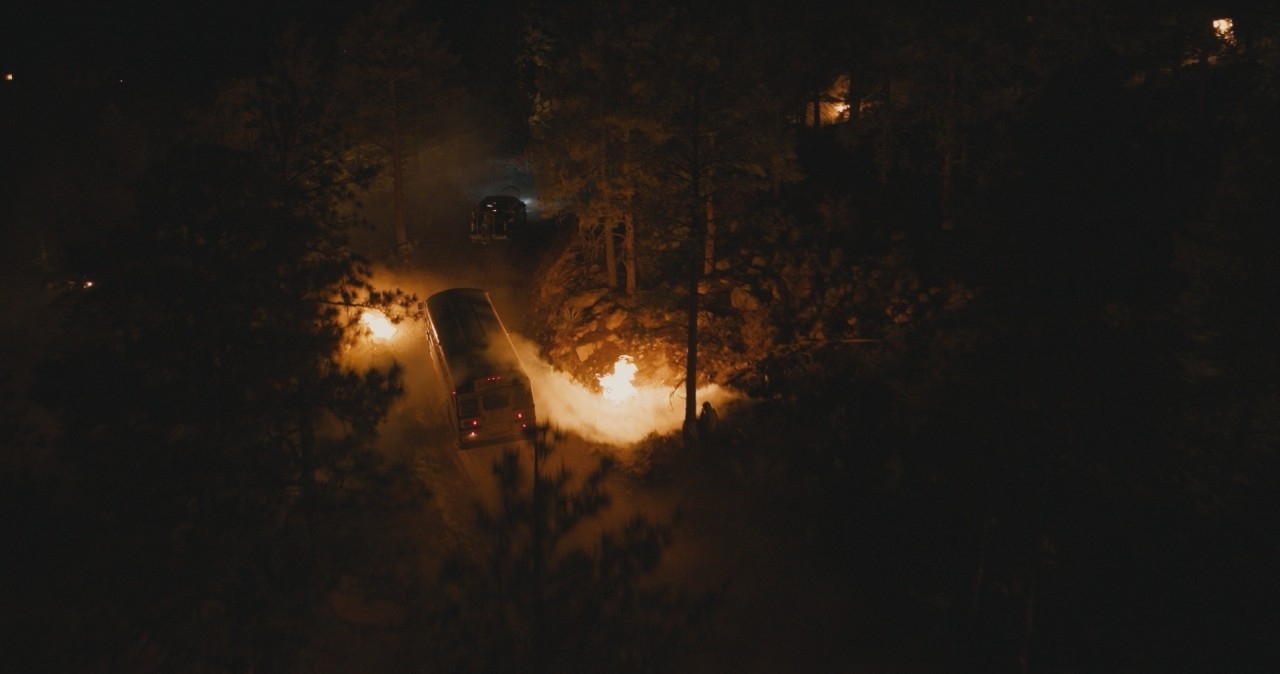
For Noble, in terms of challenging shots, the Ember Cam shot at the end, when the bus is sitting on the road with the embers creeping up, stands out. “There was no place to hide,” he describes. “It’s a slow, lingering shot creeping through the trees.” One overall top priority was allowing Greengrass to shoot in his signature fluid style. “Typically, we would playout a whole scene and shoot long takes with multiple cameras looking 360,” Noble says. “We had to allow Paul to do that and then make sure we were able to deal with it in post. There were times when I raised my hand. Paul would say, ‘Don’t worry. We’ll cut around that.’ He is collaborative. It always helps when you’ve got a bit of shorthand and have a good relationship with a director.”
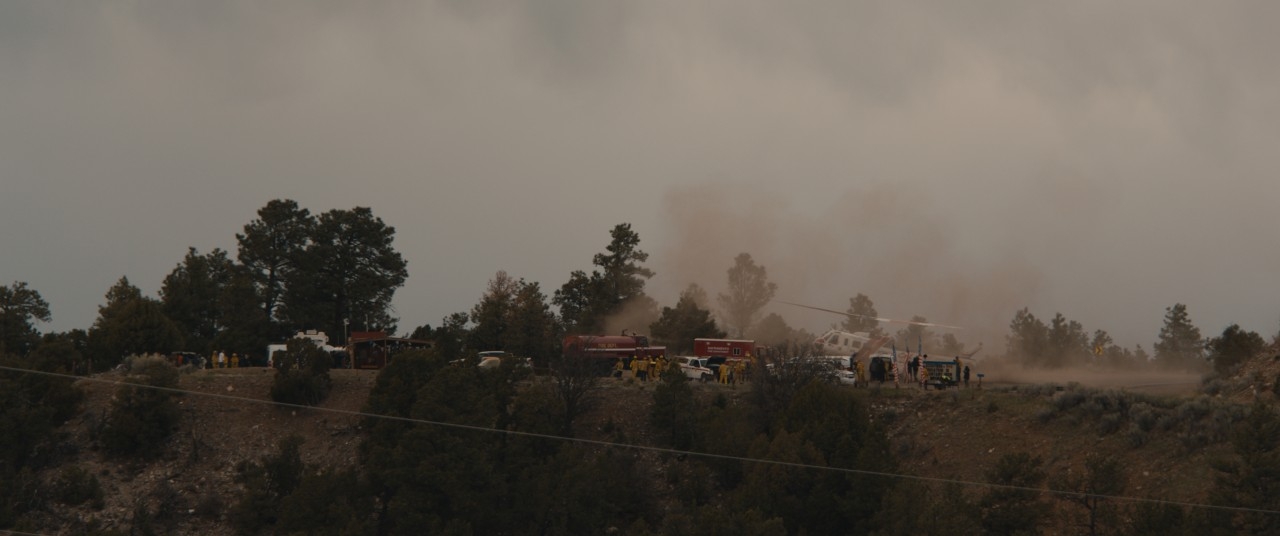
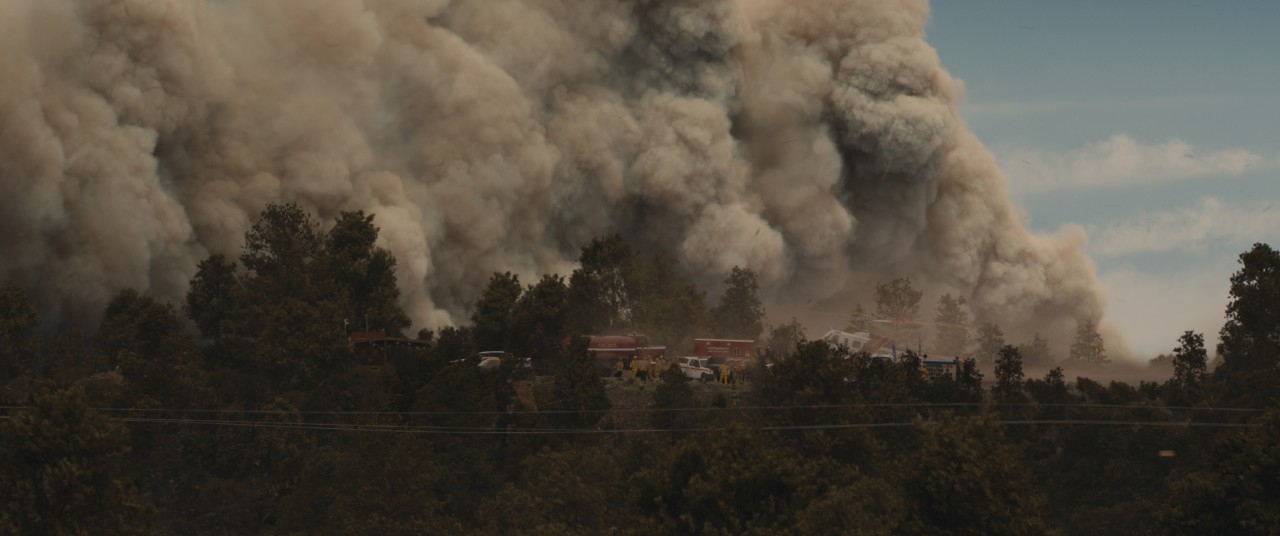
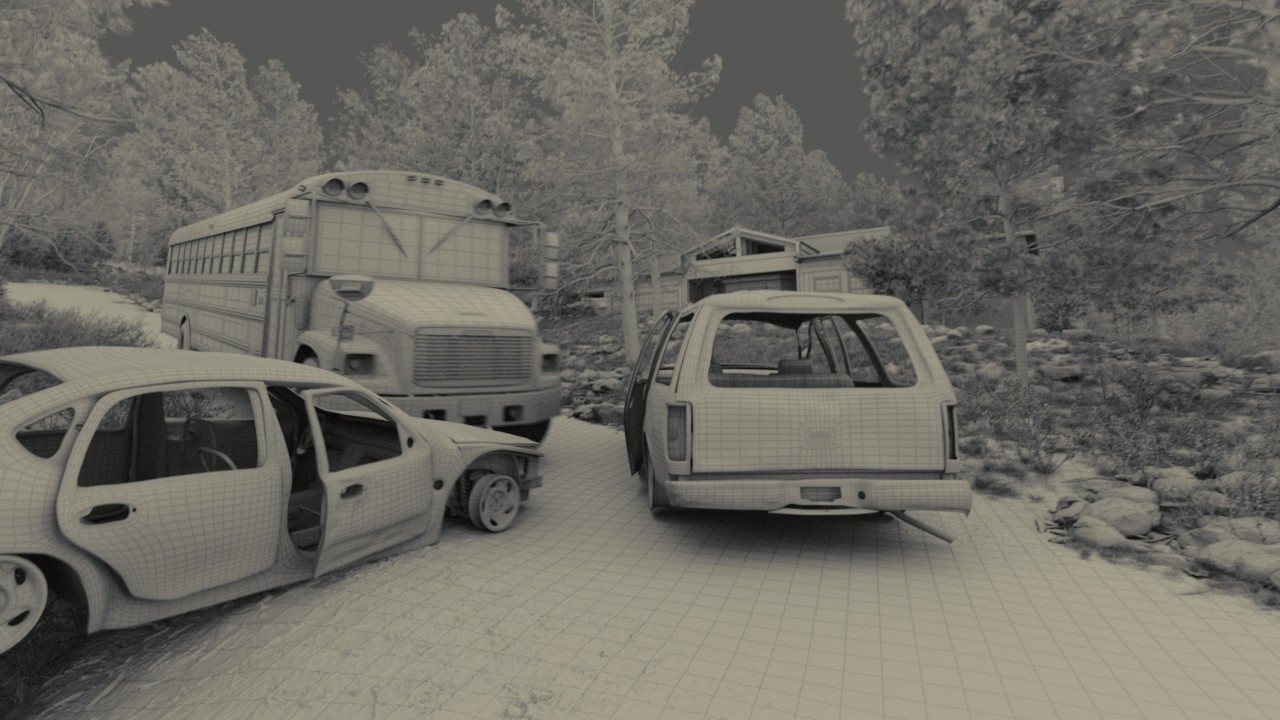
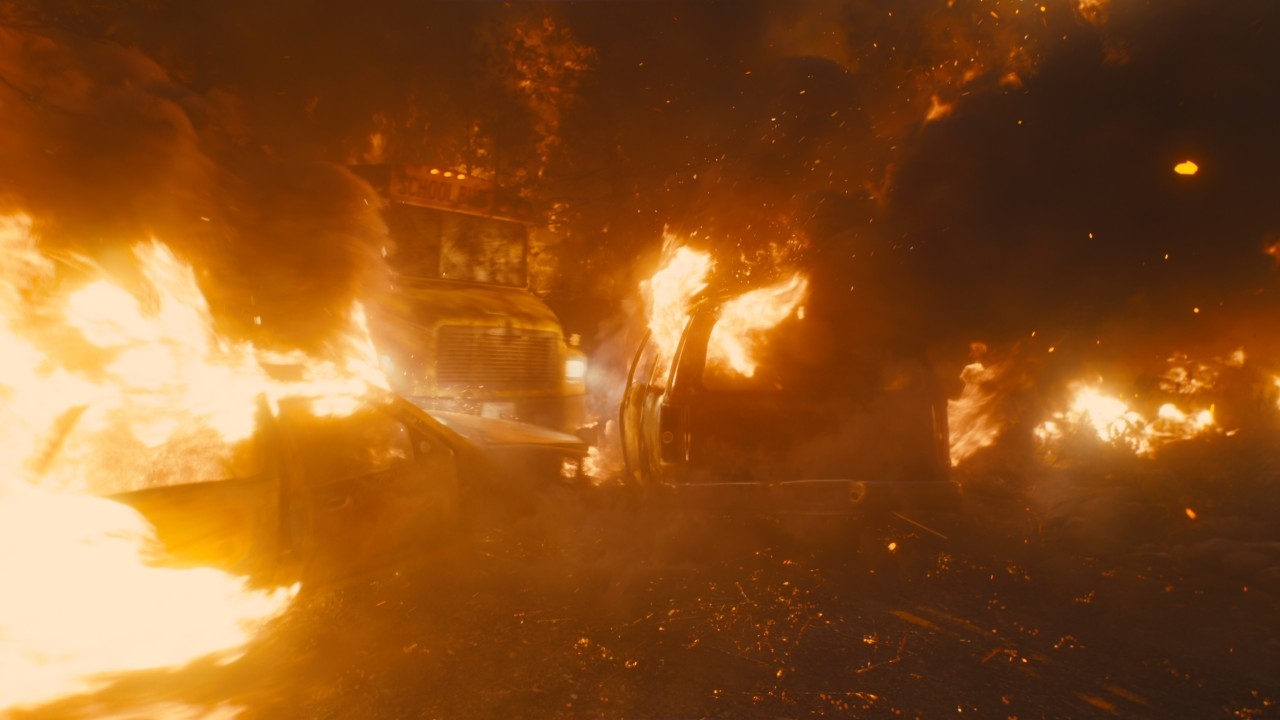
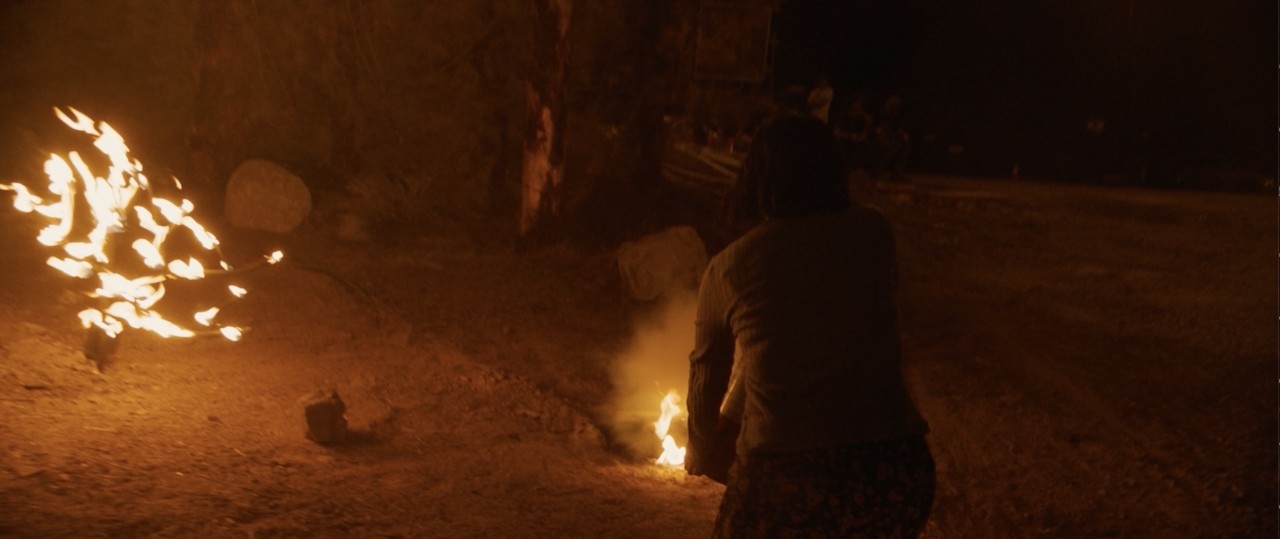
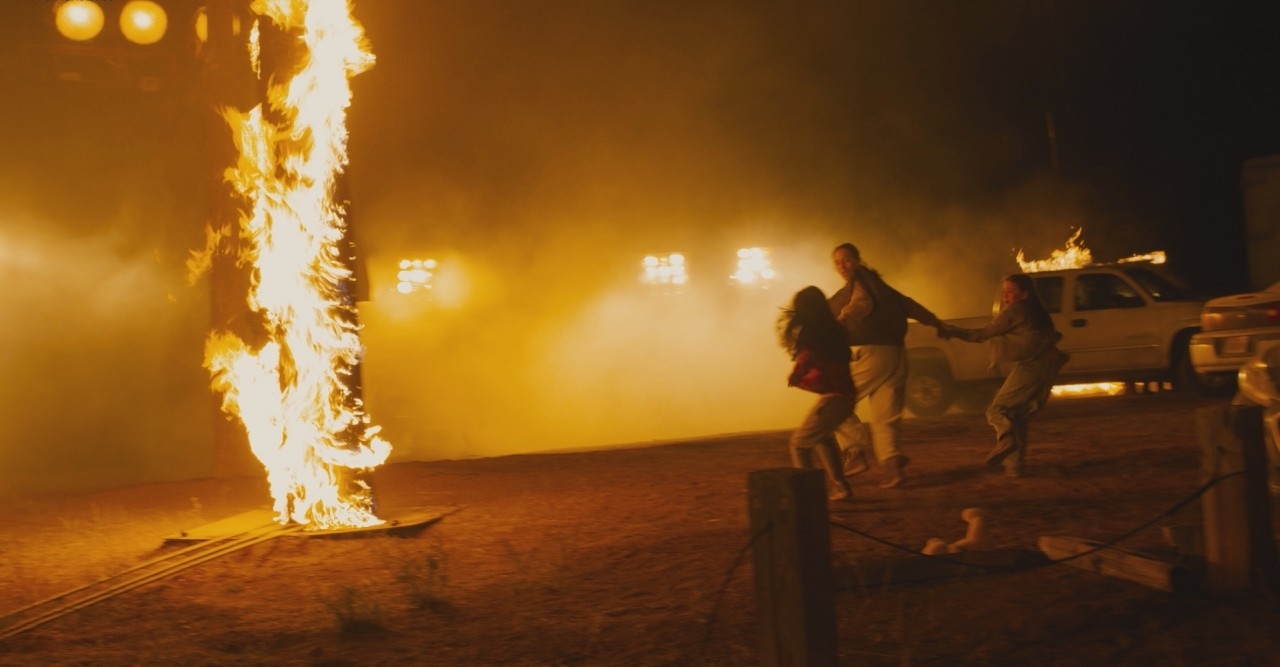
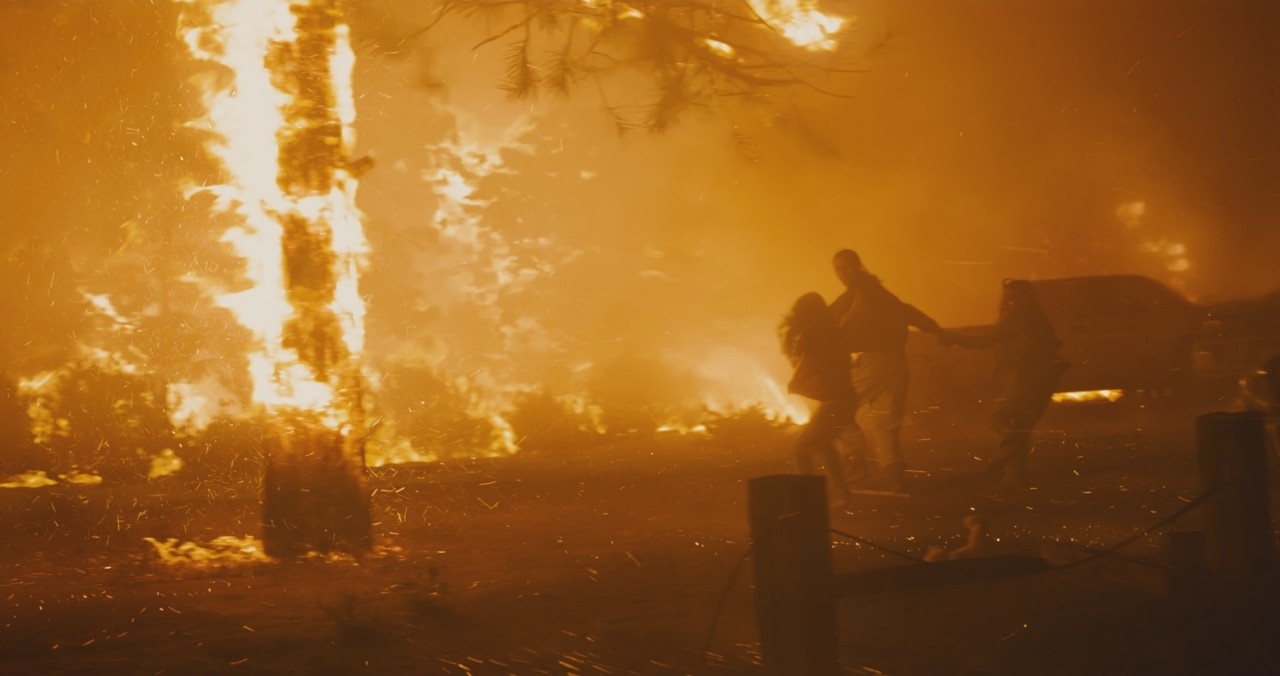
Great shots are found throughout The Lost Bus. When they pull onto the main road out of the town of Skyway, that’s when we see a considerable number of burning structures; it’s an impressive bit of work. “We did build a partial set on the backlot that was 120 meters long,” notes Noble. “Brandon McLaughlin plumbed it with over four miles of pipework from a large central propane tank. We extended that and built more CG burning structures. That was a cool sequence. Then coming out of the tunnel of fire at the end was impressive. We have massive smoke plumes at the start of the movie which were matched to the real footage from the day.”
Some of the most impactful and emotional shots showed traffic jams that turned deadly. “That’s the most harrowing part of some of the footage,” remarks Noble. “There are flames on either side of the road, flames are coming across the road, embers are hitting the cars, and there’s no escape. We replicated that and had a lot of cars on the backlot. Then obviously we added a lot more CG cars as well to sell the traffic jam.” Positive reactions to the movie have been satisfying. Noble concludes, “I spent nearly two years of my life on it, so I’m pleased to get the recognition. I’m also pleased for all the artists. There are hundreds and hundreds of artists who contributed so much and did such fantastic work on this film. DNEG still uses the Green Zone shots to train their matchmovers. Several of the facilities we worked with will probably still be using this material to train their matchmovers in the future!”

Trevor Hogg is a freelance video editor and writer best known for composing in-depth filmmaker and movie profiles for VFX Voice, Animation Magazine, and British Cinematographer.