
The Oscar and BAFTA-winning Senior Animation Supervisor and Senior VFX Supervisor discuss their team’s groundbreaking animation and visual effects work, including the challenging Tsyong and Medusoid creatures, on the latest record-shattering ‘Avatar’ sequel, now in theaters.
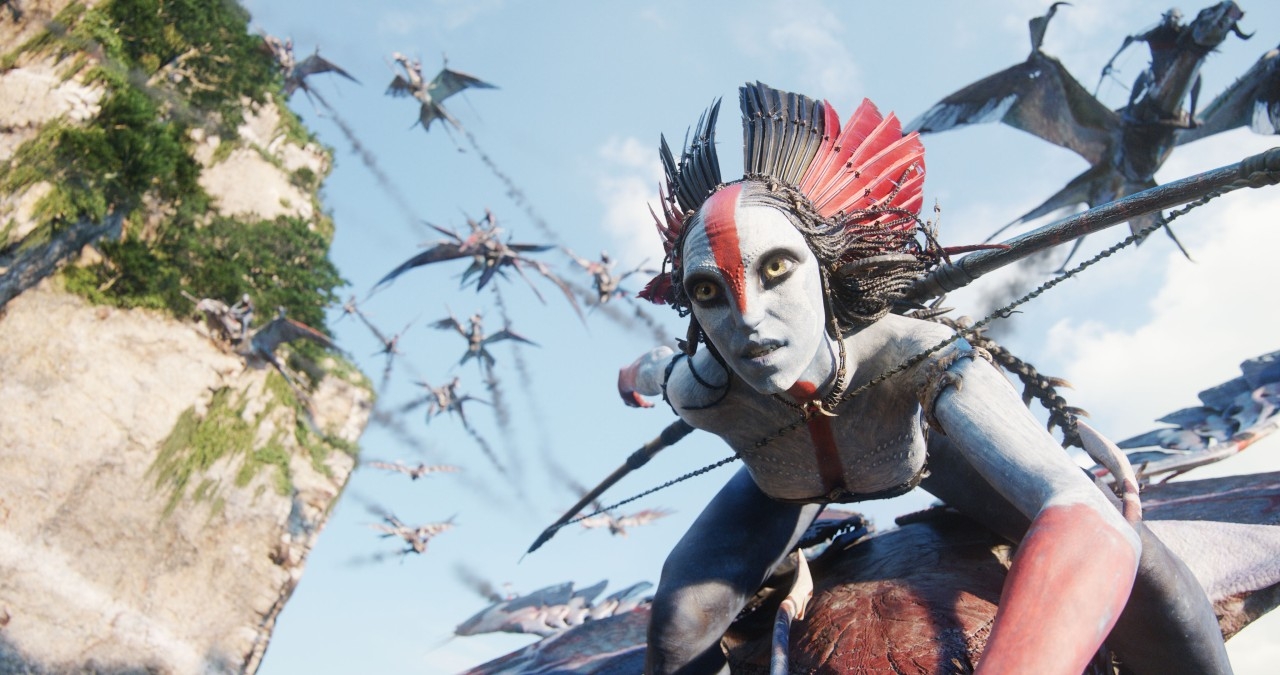
Avatar: Fire and Ash picks up the story, and box office largess, from its predecessor, Avatar: The Way of Water, continuing to smash records as it takes audiences on yet another breathtaking journey to the fantastic planet of Pandora. Directed by James Cameron, with cinematography one again by Russell Carpenter, and visual effects created by a small army of immensely talented artists, the multiple Oscar, BAFTA, and VES Award-nominated film finds the Sully family (Jake, Neytiri and their kids) struggling with grief and survival after battling a dangerous new clan, the volcano-dwelling Ash People, a fiery conflict that puts their future on Pandora in doubt.
In once again achieving new heights in visual and narrative achievement, Cameron called upon New Zealand’s Oscar-winning visual effects powerhouse Wētā FX, who were also instrumental in the success of the first two Avatar films. Among those lending skills to the enterprise were Senior Animation Supervisor Dan Barrett and Senior VFX Supervisor Eric Saindon, who along with a huge army of dedicated members of Wētā’s gifted team, ensured that audience’s immersive experience in the Na’vis’ watery – and fiery – world would be like nothing else ever seen in theaters.
The pair have won awards too numerous to completely catalog, but let’s indulge a bit: Barrett has been nominated for 5 Oscars, winning 1; been nominated for 4 VES Awards and won 2; nominated for and won 3 Annie Awards; and nominated for 5 BAFTAs, winning 1. Saindon has been nominated for 4 Oscars, winning 1; nominated for 5 VES Awards and won 1; and nominated for 5 BAFTAs, winning 1. And they both were nominated for and won a Critics Choice Award.
We spoke with the pair about their years-long work on the film, their collaboration with Cameron, and the latest tech tools they used to provide even greater nuance and believability to the characters, creatures, and environments of Pandora.
First, gander once again at the film’s trailer:
Dan Sarto: There’s so much ground we could cover that we could easily talk for hours. This is obviously a major undertaking for the studio - another significant entry in the Avatar franchise, years in the making. Even compared to The Way of Water, the scale feels enormous: native stereo photography, new environments, characters, creatures, vehicles, roughly 2,000 water-effects shots, 1,000 fire-effects shots, and a substantial amount of new or expanded technology.
Wētā’s toolset runs deep: Loki for simulation, Kōrra for fire, Body for skin, APFs for facial animation, Pōtī for water, and Manuka for rendering. Your studio undertook a herculean effort, and it’s difficult to imagine operating inside a production of this scale.
Dan, I want to start with something from our previous interview. Two points stood out.
First, you spoke about the level of preparation that Jim and the team brought to these films. You said you focus heavily on nuanced animation and dislike seeing work discarded due to late creative changes. Jim’s planning, you noted, is so thorough that nearly every dollar spent ends up on screen.
Second, when I asked what you learned on the film that would carry forward to the next, you said the project made you a stronger filmmaker - particularly because of Jim’s communication style and his ability to keep teams aligned around “why” decisions are being made.
With that context, what were your earliest and biggest concerns regarding the size and scope of the work, both on the animation and visual effects sides?
Dan Barrett: It was a unique experience for me - though that may sound strange - because Fire and Ash was something we had effectively rehearsed for on The Way of Water. In that sense, it wasn’t entirely new.
What was unique is that we went into what I’d call the biggest film I’ve ever worked on in terms of challenge, and it turned out to be one of the smoothest. We knew what it would take. We had sensible, accurate scheduling. A number of tools developed for The Way of Water still had a bit of wet paint on them, but they were mature enough to run in production - sometimes with workarounds.
The animation team also had a substantial wish list for APFs, the facial system, which we were able to roll out. It made a significant difference, getting that tool out of the animators’ way and allowing them to focus on performance rather than jumping through hoops to get the performances right while dealing with technical hurdles.
Jim is the most thorough director I’ve ever worked with. He understands every aspect of filmmaking and is deeply invested in making sure the team isn’t broken or pushed too hard. He’s probably a better animator than me. He knows all of it.
He’s constantly asking what we can do better – how can we make this smoother, how can we improve scheduling. He wants the best possible film, and he understands that wanting the best for the team is how you get there.
Eric Saindon: My take on that question - it’s a big one - comes down largely to scale, particularly with fire and water. Those were some of the biggest challenges on the effects side for both films. Understanding scale in water means understanding mist and all the secondary elements that communicate how big or small something is. It’s a difficult problem, and it took a long time to build the tools needed to support it. Because Jim thinks so deeply about these films, he gave us an unusual amount of lead time. Normally, you’re told you have six months to make it work. Jim gave us years to develop a new effects pipeline and a new fire pipeline for this movie.
That time allowed us not only to make fire look physically correct and realistic - with proper simulations, air, fuel, and the underlying physics - but also to make fire a “directable” element so Jim could shape it creatively. It’s not just things burning. It’s flamethrowers igniting specific elements, flames traveling into the flux vortex, ships bursting into fire and having that fire pulled upward. Those details were critical to selling both scale and behavior. We were involved from the very beginning. Often visual effects doesn’t attend early script readings, but here we worked closely with production design, wardrobe, and other departments to make sure everything would function later in CG.
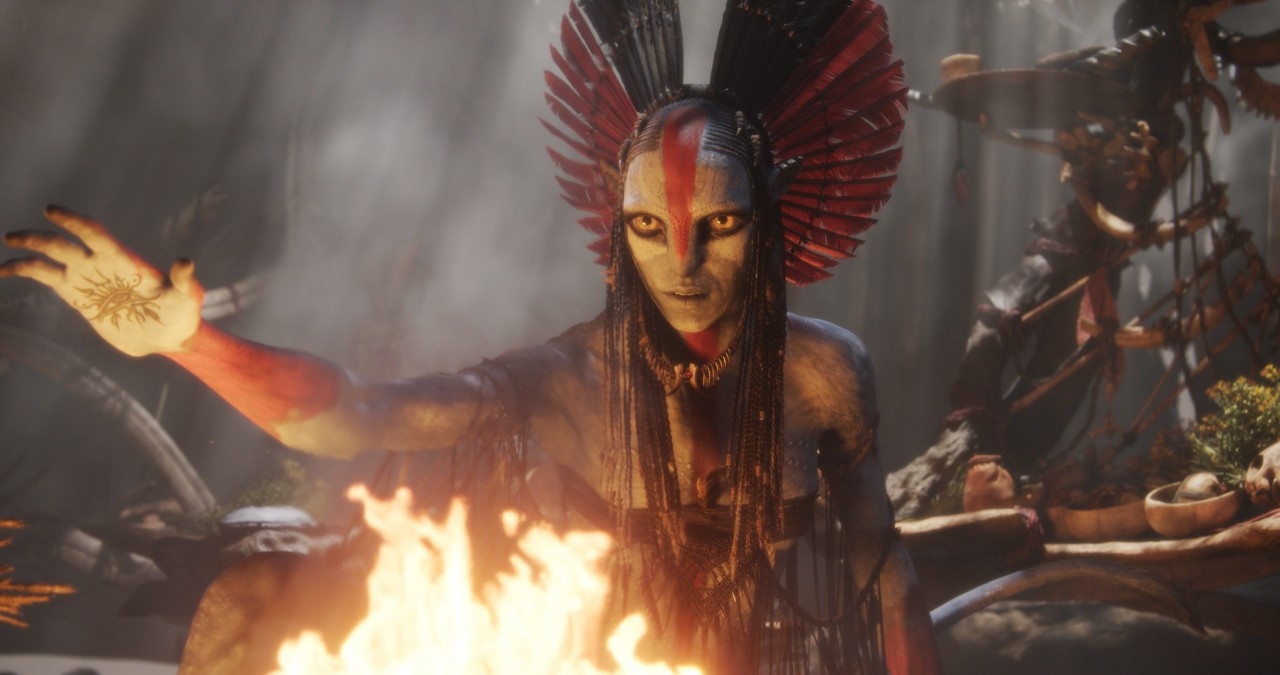
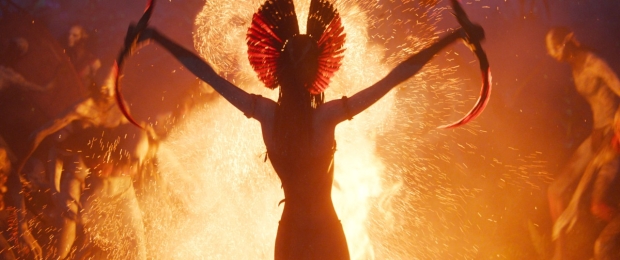
Deb [Deborah] Scott stayed with the show throughout, ensuring costumes worked from initial design through live-action testing and into CG - down to details like Varang dancing next to the fire, with her outfit spinning and flowing correctly through the scene. That level of collaboration extended across every department. Jim is the glue that holds it together. He listens, empowers teams, and stays deeply involved - from costume and production design all the way through sound.
Sound and visuals have to work hand in hand. Weak visuals can’t be saved by sound, and weak sound can undermine strong visuals. That holistic approach is one reason Jim Cameron films take longer, but it’s also what allows the work to be refined properly.
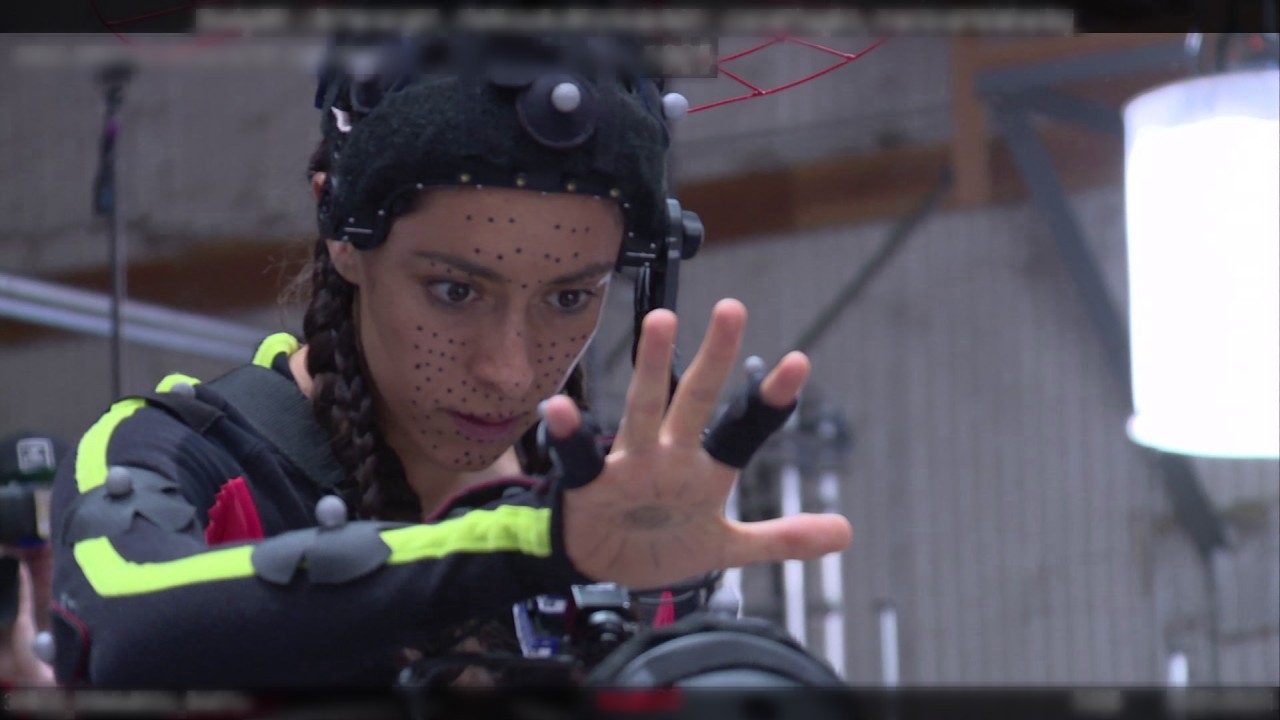
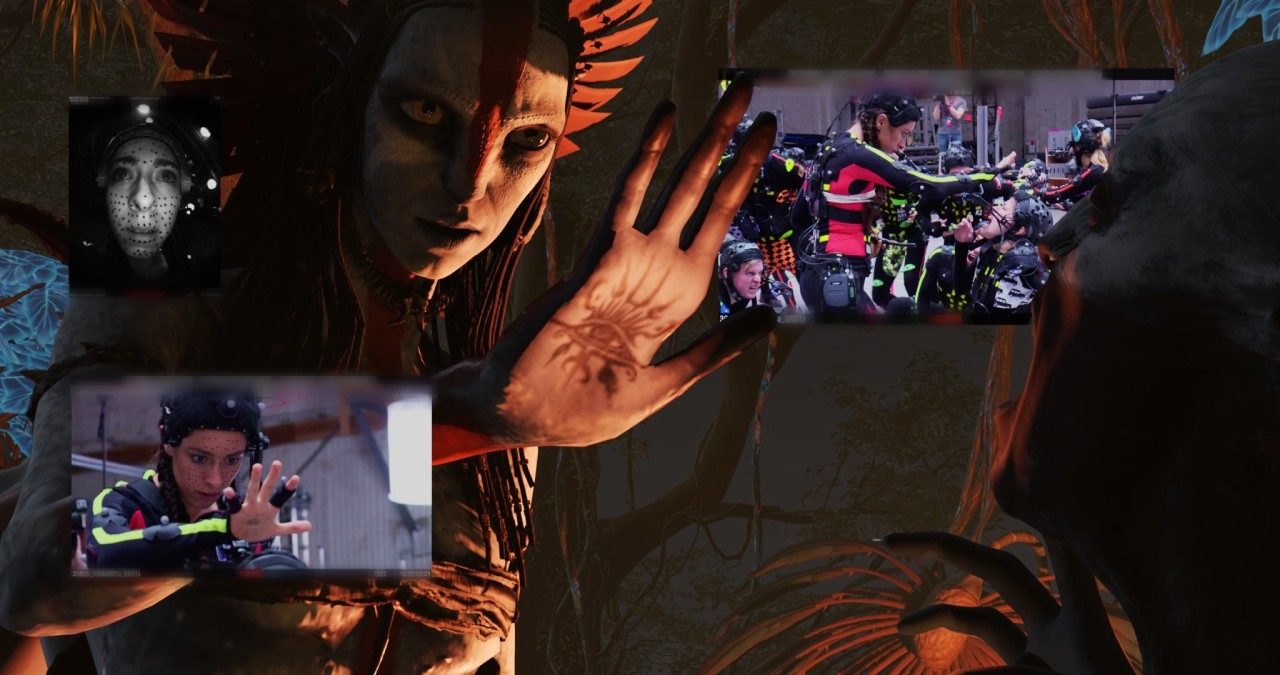
DB: To build on that, Jim effectively makes the film three times. First, it’s written and shot with the actors. During performance capture, data is recorded while 15 or 16 cameras capture the actors from multiple angles. Jim and editorial then cut the film using that material, looking directly at performances from actors like Sam [Worthington] and Zoe [Saldana]. Those selected performances are mapped onto low-resolution characters and environments with intentional lighting and rendered into what we call the “template.” At that stage, the film can run several hours before being refined.
Because Jim understands environments and scale so well, the template allows live-action shooting to be extremely precise - eyelines are correct, and spatial relationships are fully understood before final execution. You can shoot Spider and get the eyelines right because he knows he’s looking into a space where Quaritch is standing.
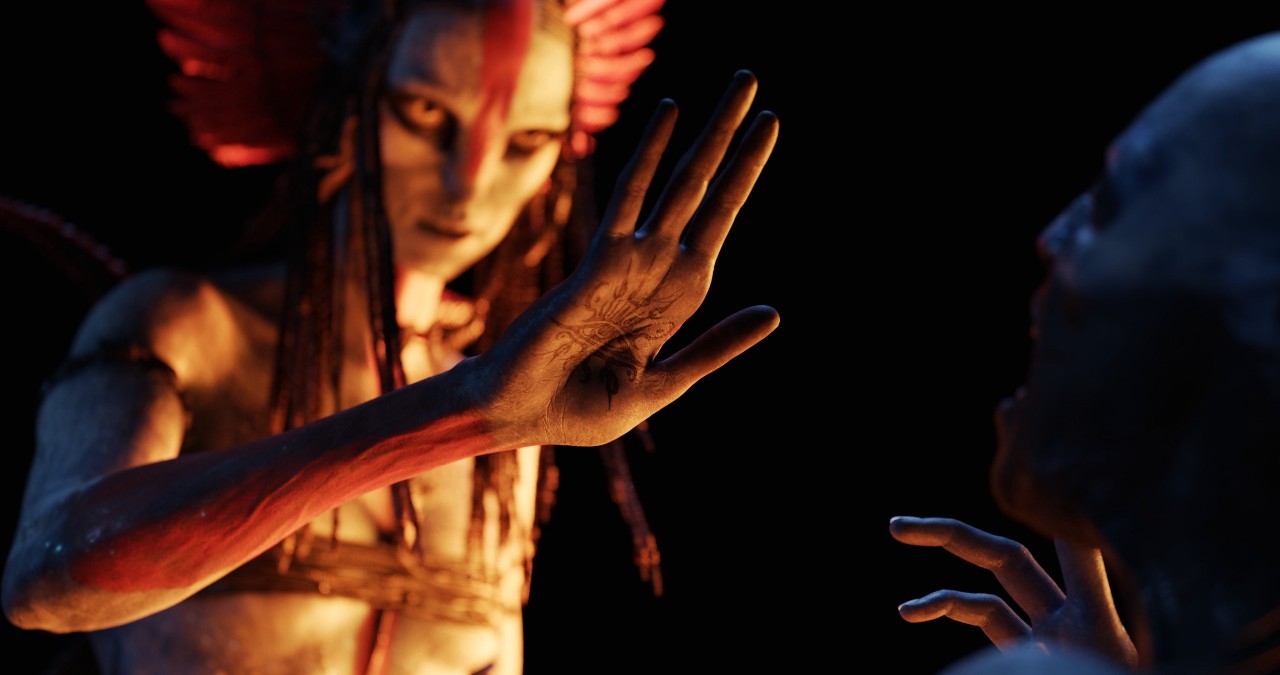
The third pass happens at Wētā FX and ILM, where the template is transformed into a fully photoreal version with all the final detail, all the bells and whistles.
By the time the work reaches us, Jim has lived with the film for a long time. He knows shot lengths and structure. Changes still happen, but far fewer than on most productions. That level of planning is a major reason these films remain manageable at such scale.
DS: How much does the final film deviate from the template?
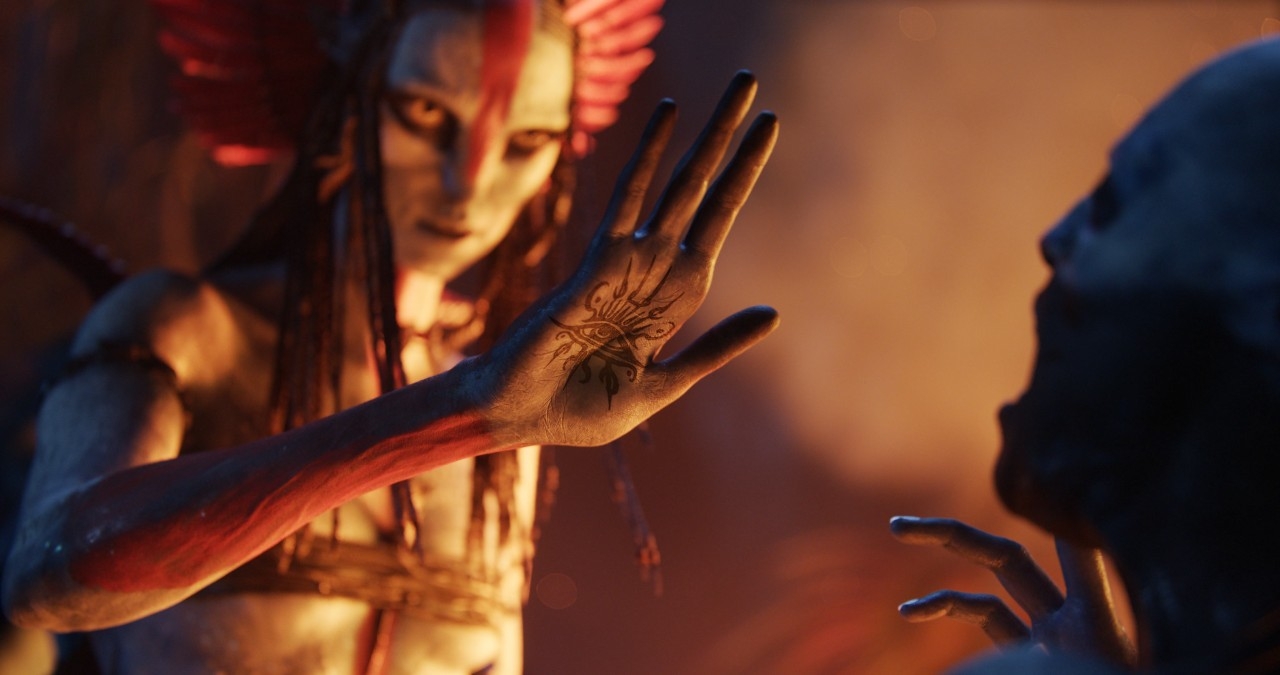
DB: Not much. Jim always says, “Match the template - until you shouldn’t.” Matching it is always the first step. The performances are gestural rather than rudimentary. We use a system called Kabuki, where face-cam footage is projected onto the character to convey mouth movement and blinking. That’s just a 2D projection, essentially, of some footage taken from the face cams. The environments shown are the actual assets we’ll use. Let’s say, with Neytiri in a jungle. Wētā and Lightstorm have a tightly integrated pipeline that allows low-resolution environments to be ingested and rebuilt automatically with high-resolution assets.
Lighting concepts - fog volumes, god rays, silhouettes - are already established. When we show Jim a shot, it should resemble the template closely, even though one version is photoreal and the other clearly isn’t.
There are times when matching the template exactly doesn’t work. I’ve matched it before and had Jim say, “What the hell is this? What is this mess?” When I explained that I’d matched the template, he replied, “Well, don’t.”
ES: Jim often says, “Match the template, or do better.” Matching it is the starting point, the first port of call. But if the supe, or an animator or effects artist has a better idea, Jim is open to it. He’s willing to change direction when it serves the film, and that openness is incredibly freeing creatively. I’ve worked with directors that were very stuck in their way and didn’t want to hear anything else.
DS: You mentioned earlier that the production went relatively smoothly because of the preparation. Were there areas where you expected things to be particularly difficult, especially given the amount of new technology involved?
ES: There’s always something, and it’s never what you expect. When we came into this film, we assumed fire would be the hardest challenge. We expected rendering fire to be extremely difficult. In practice, the new solver and renderer worked very well. Fire was difficult, but it wasn’t the hardest problem.
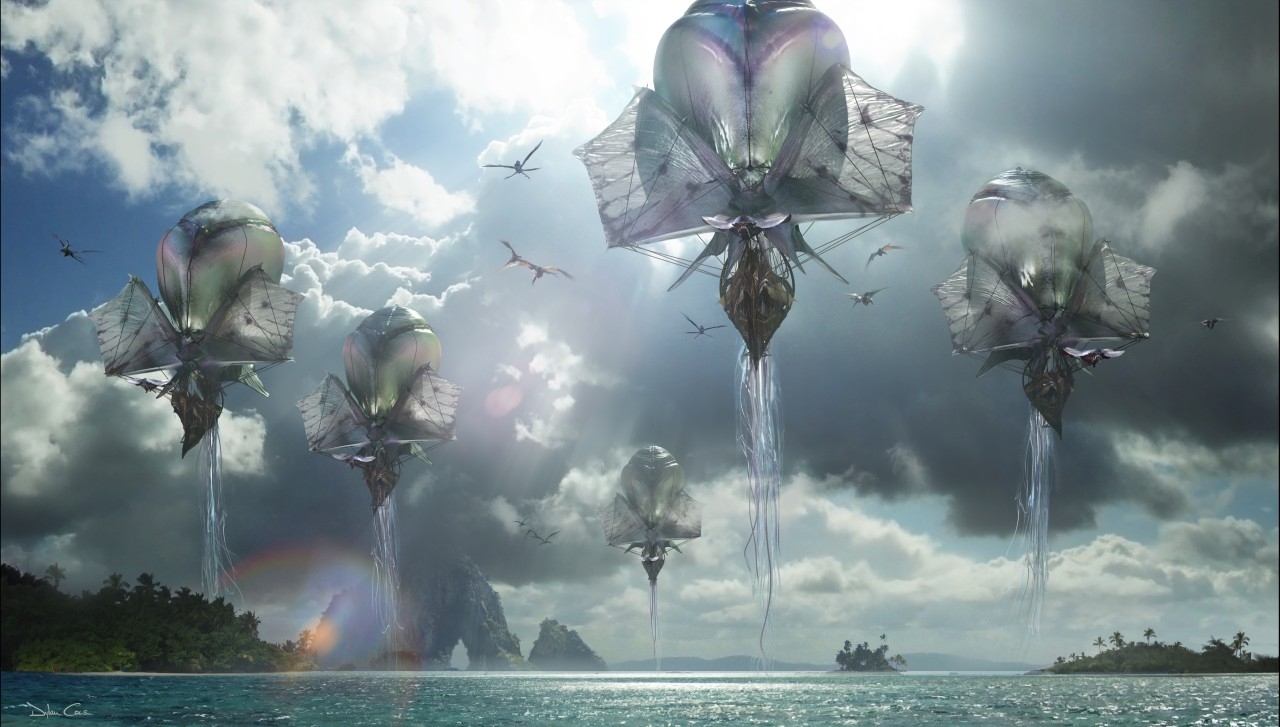
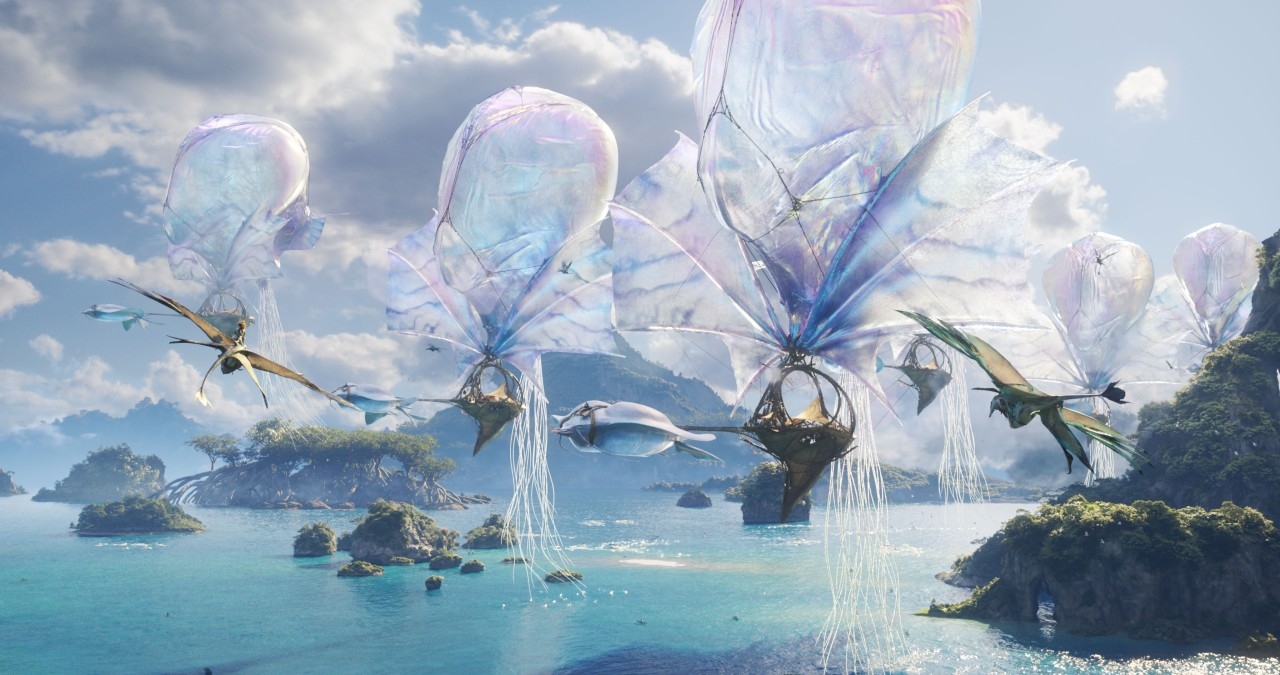
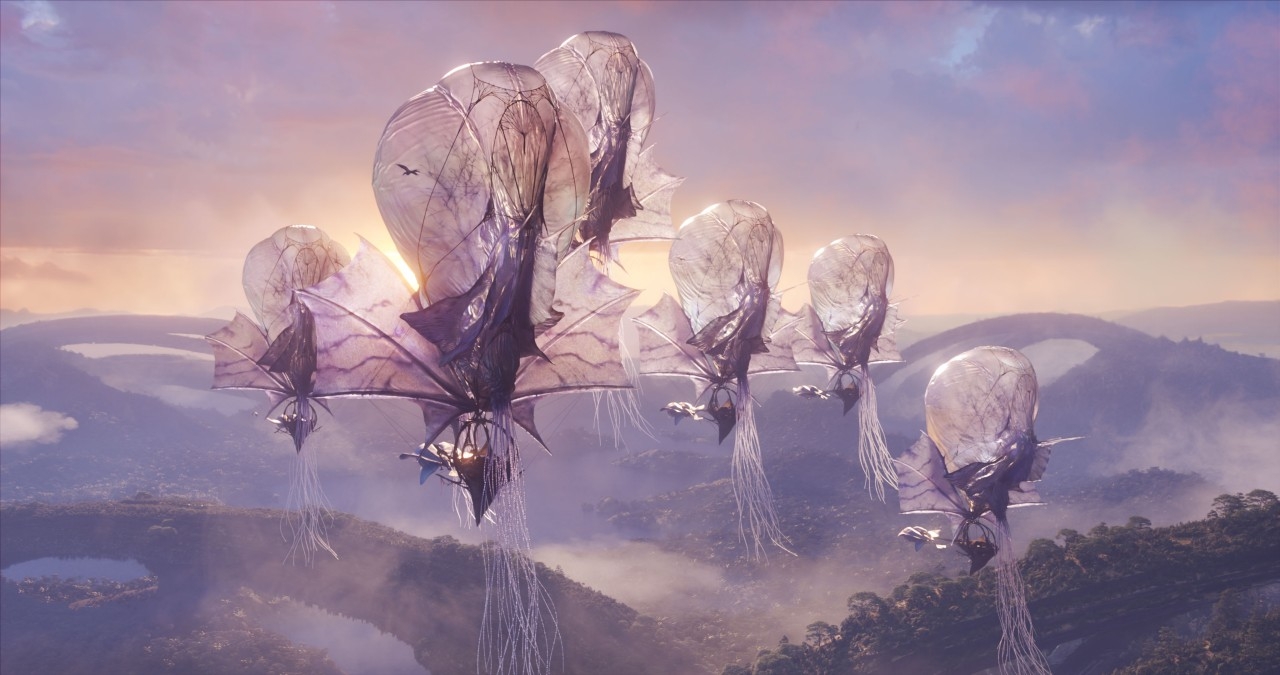
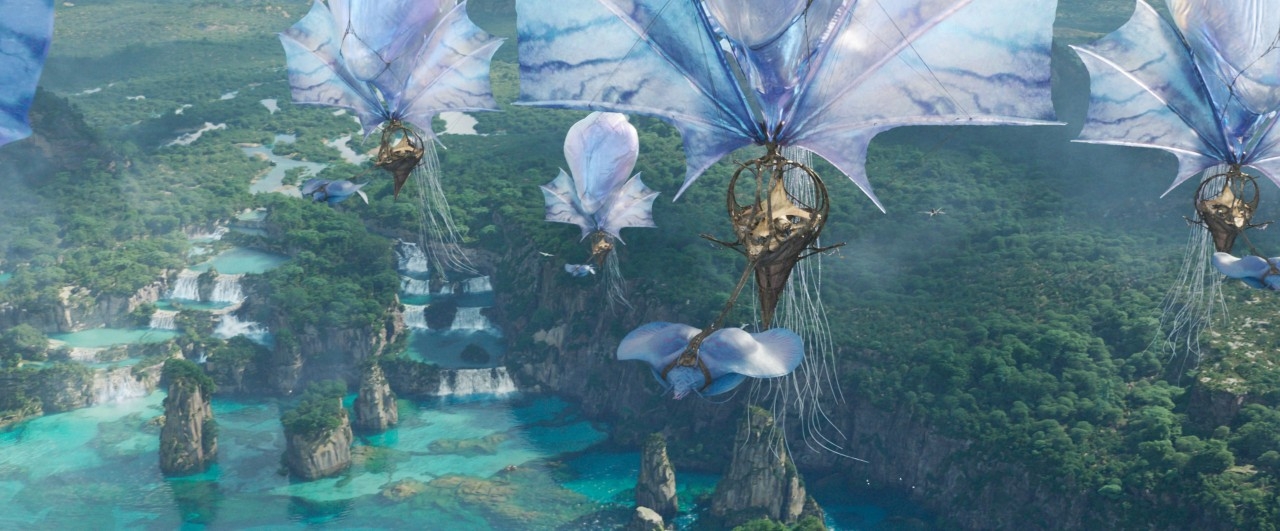
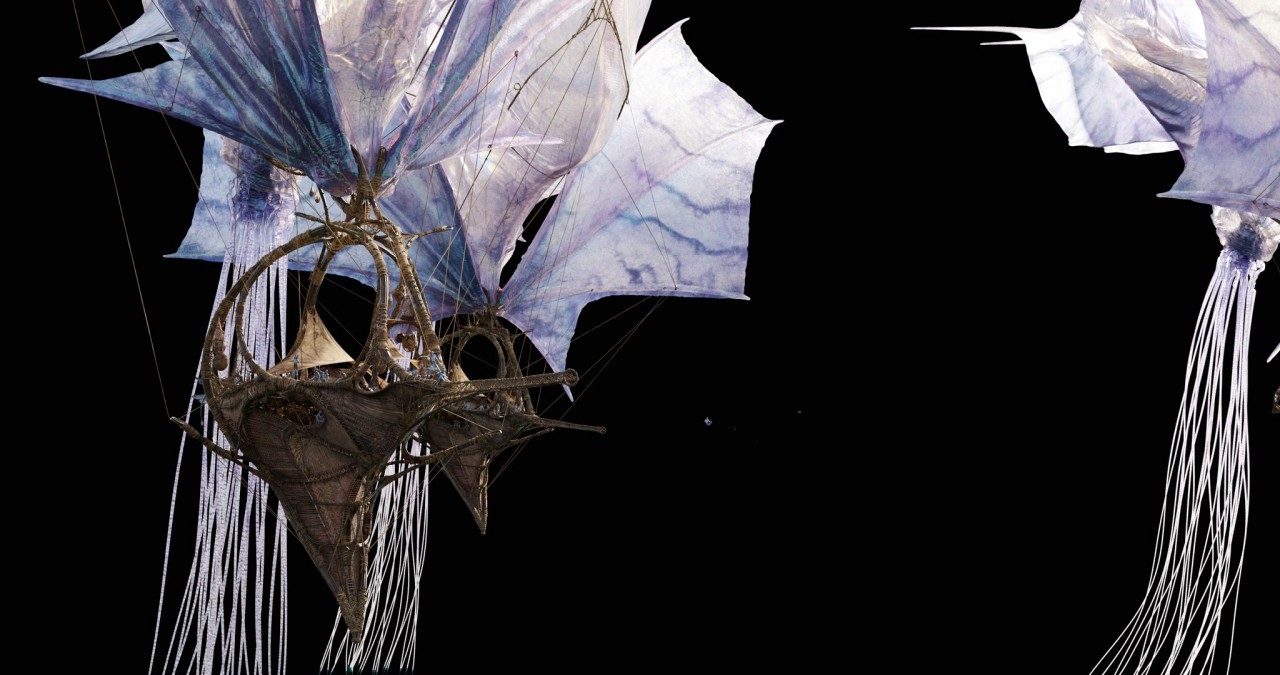
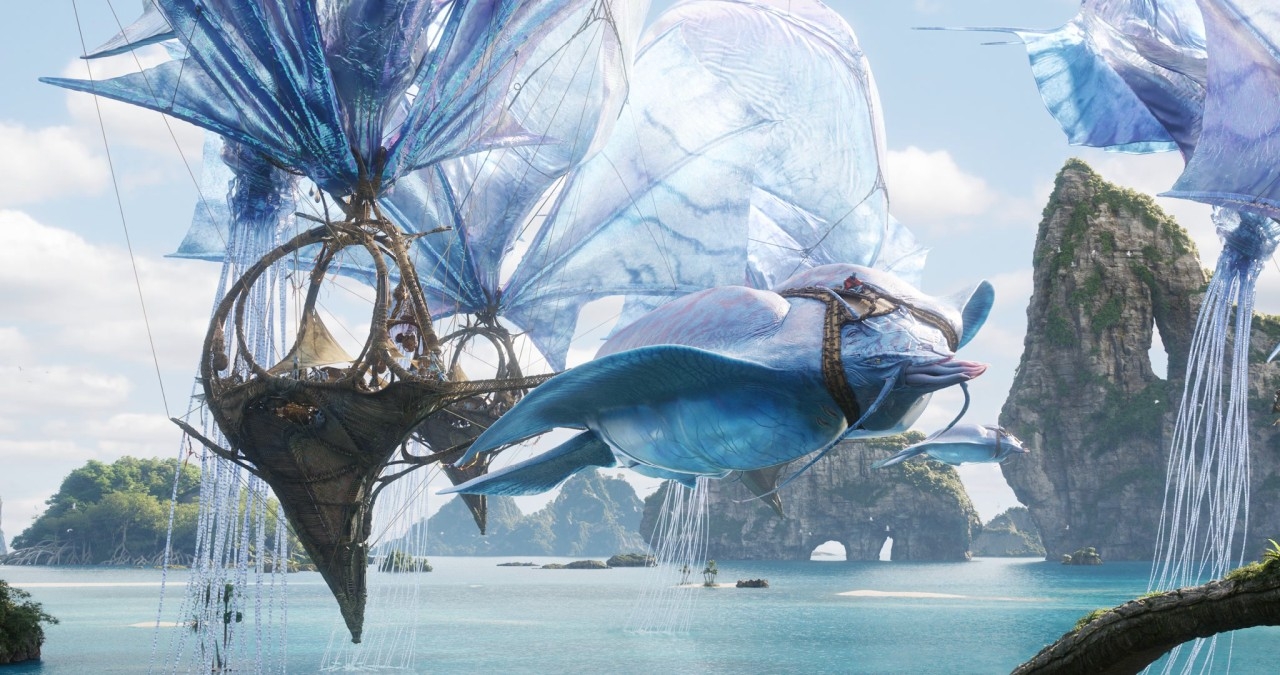
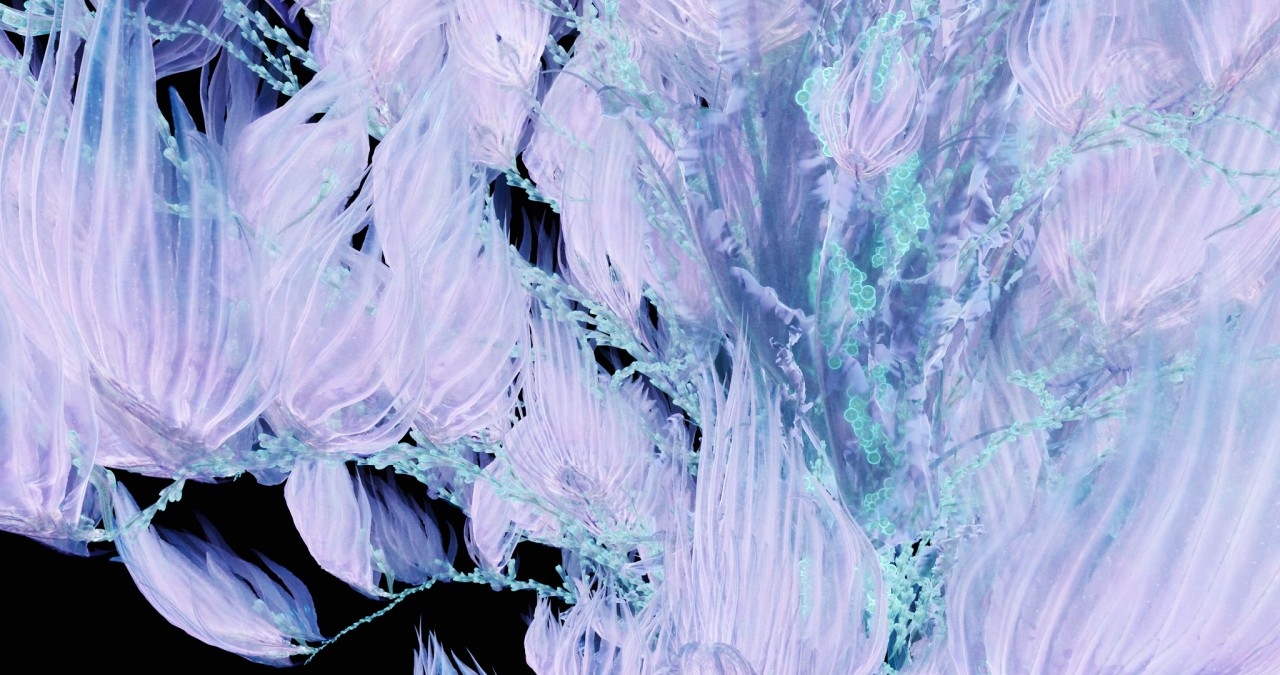
The most difficult element turned out to be the Medusoid, the balloon-like structure above the gondolas used by the wind traders. Because of how they’re constructed, light enters the volume and bounces around internally, much like a wax candle.
That internal diffusion and translucency created significant noise. The renderer struggled with the iridescence and internal light scattering, resulting in extremely long render times and noisy images. We spent a lot of time debugging and coming up with new renderer solutions, because sometimes rendering took as long as a week and a half for a single shot.
DS: Wow. That’s crazy!
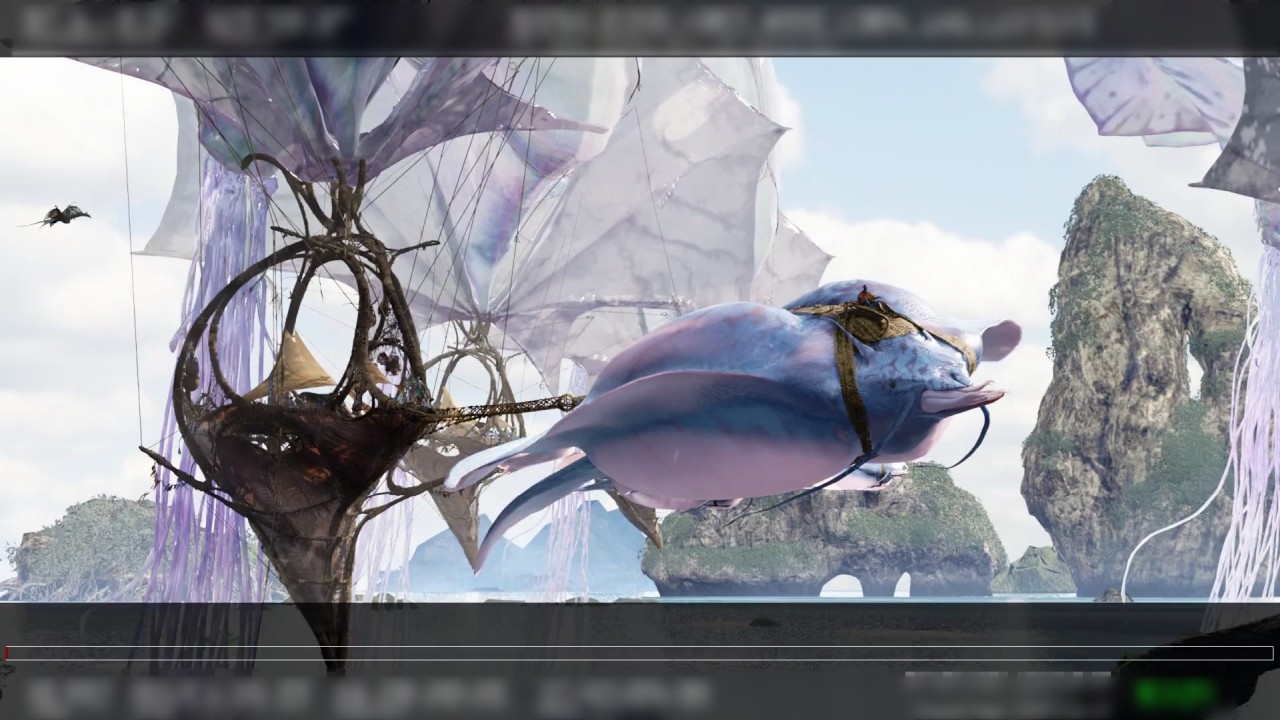
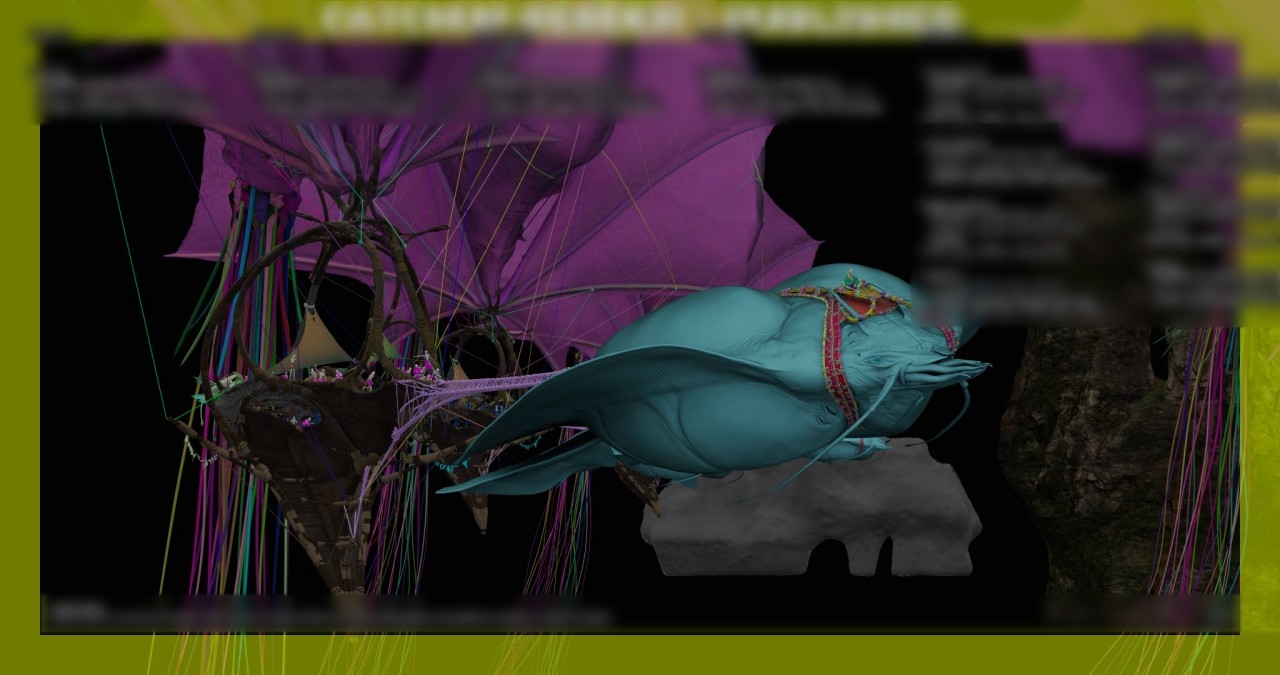
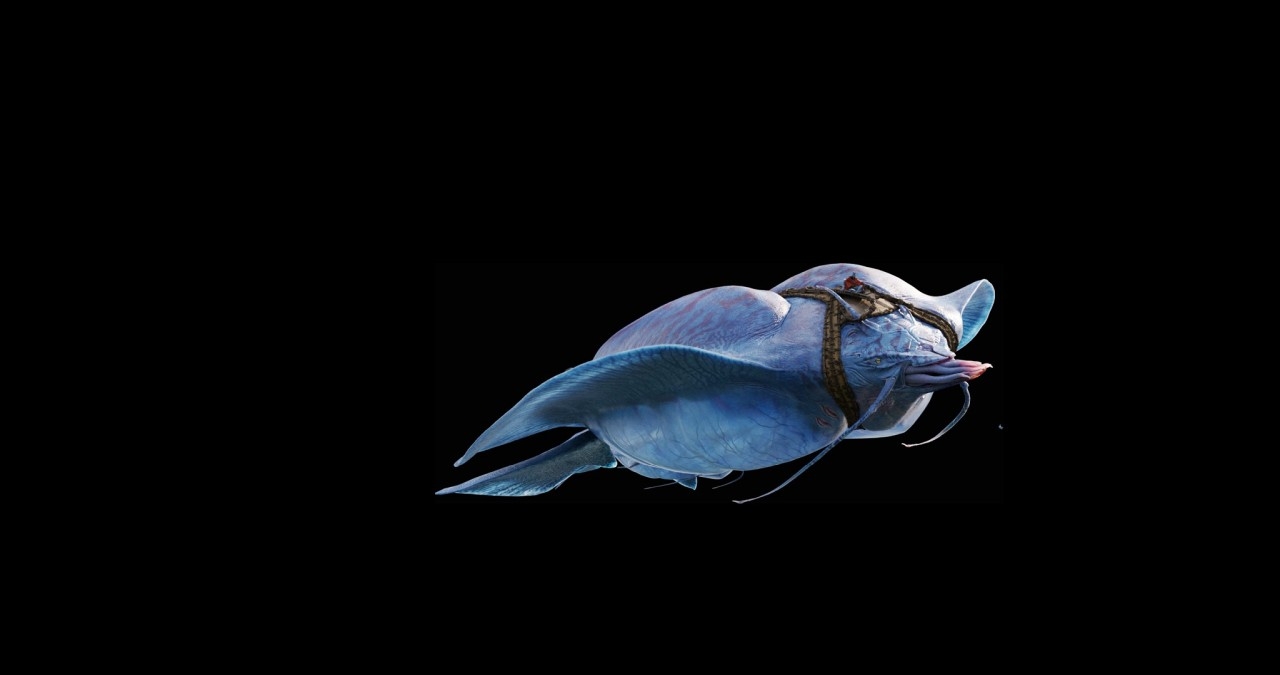
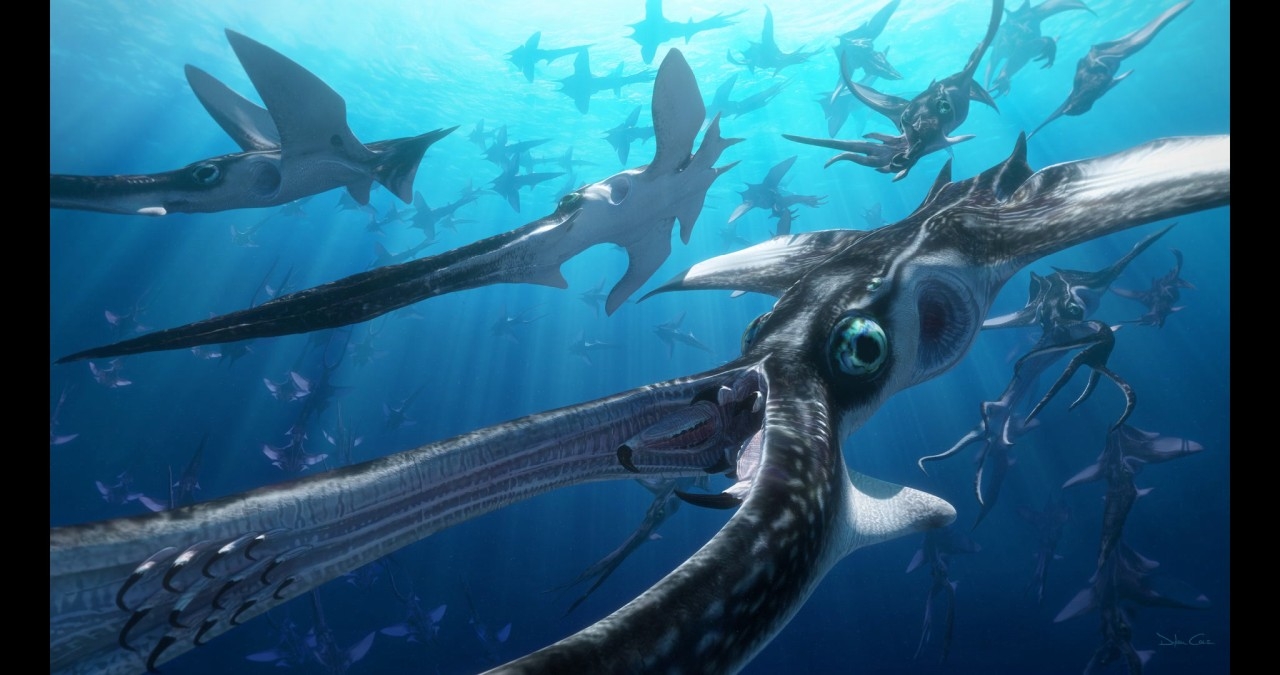
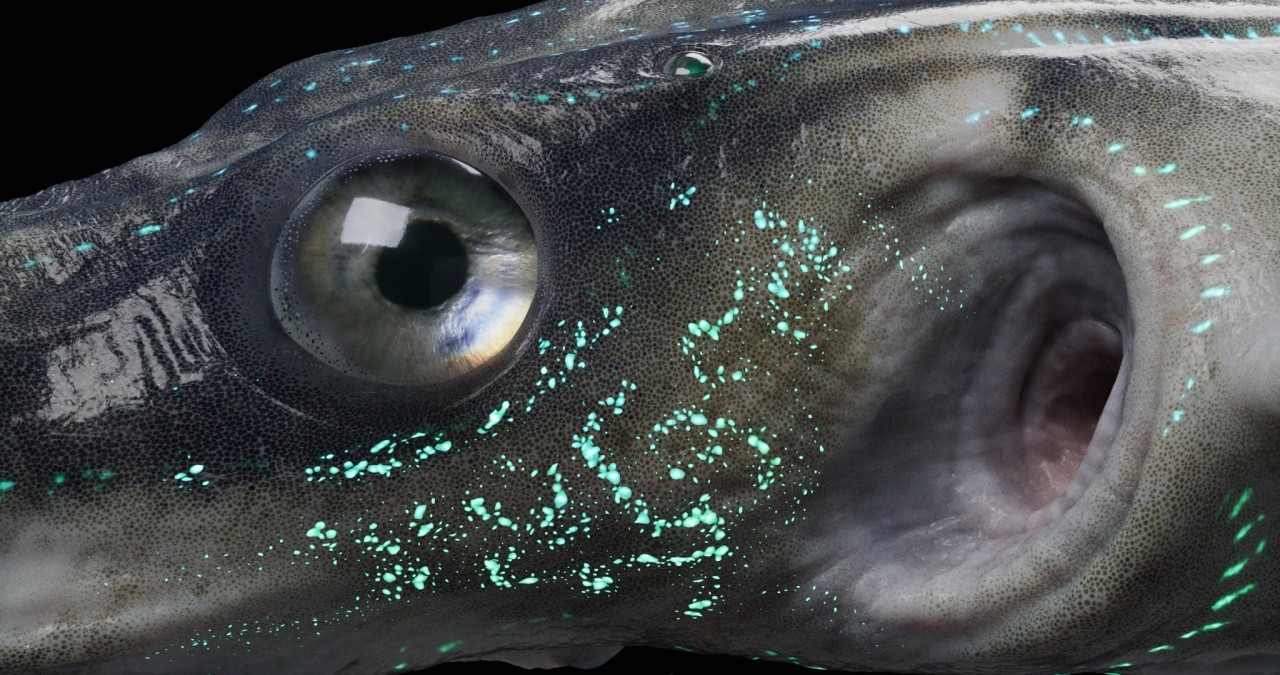
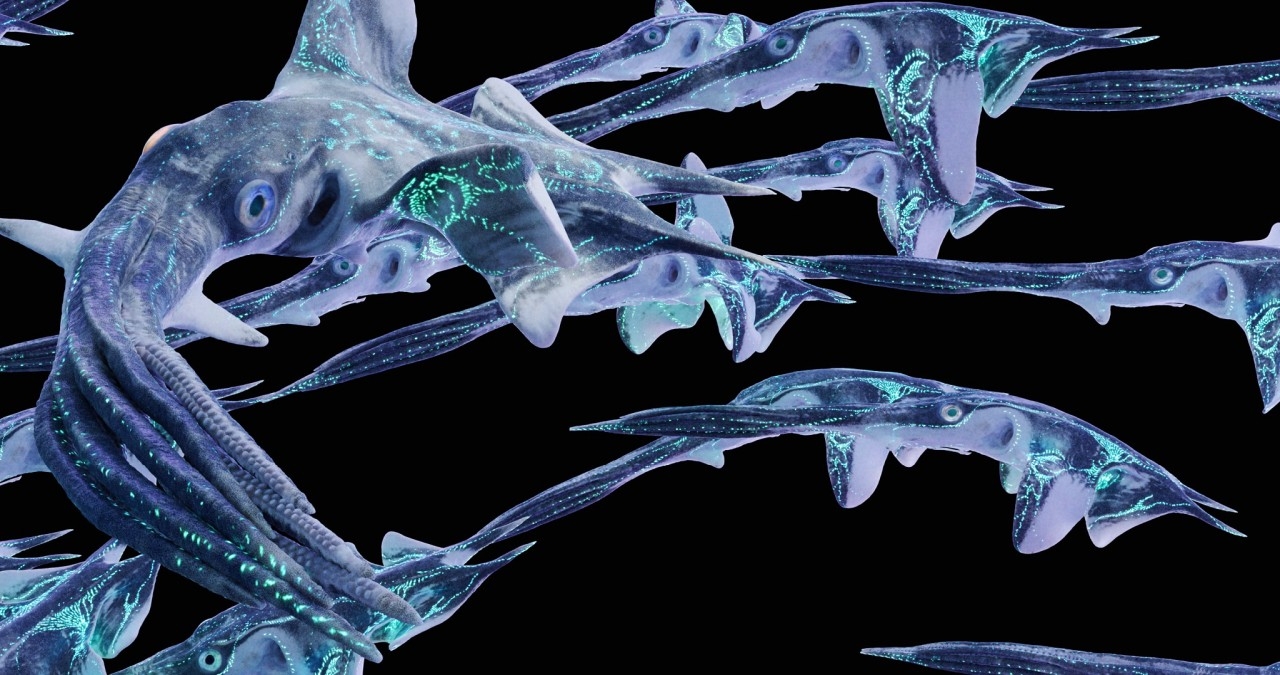
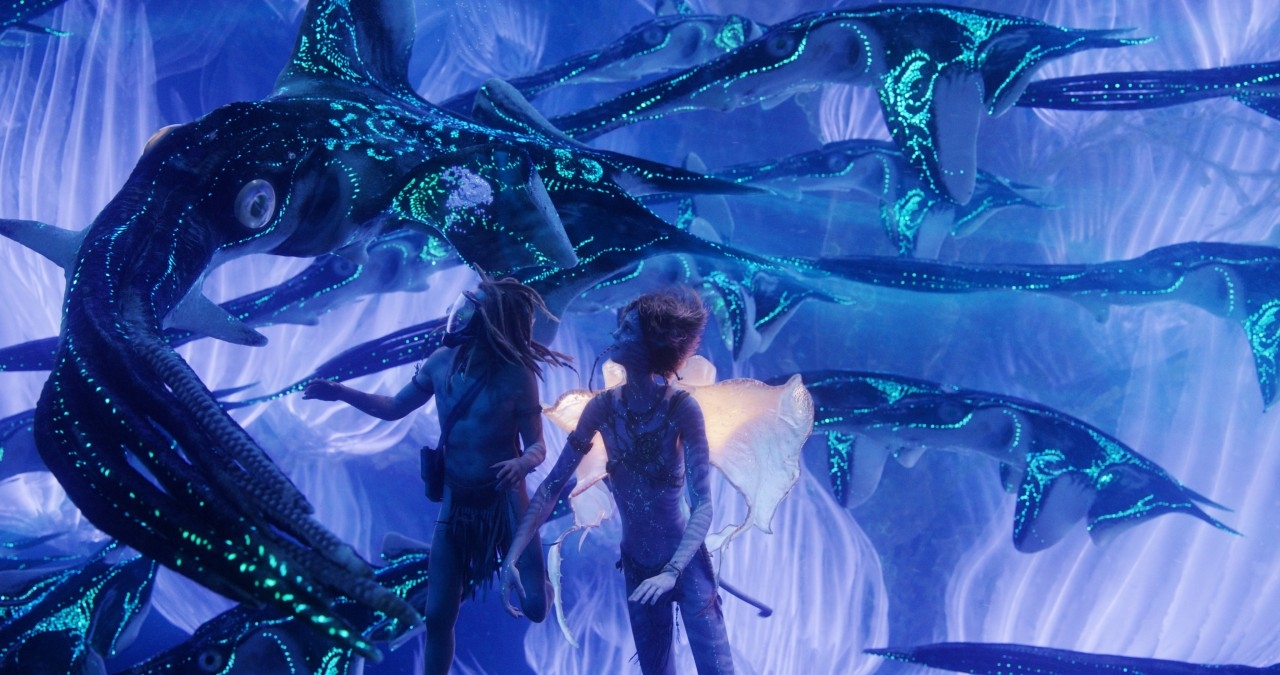
DB: Yeah. For me, the biggest concern wasn’t scale. It was the Tsyong creatures. You could call it tentacle comp. I have a personal prejudice against animating tentacles or rope-like elements. They’re always tricky, and we knew these creatures would play a significant role in the film.
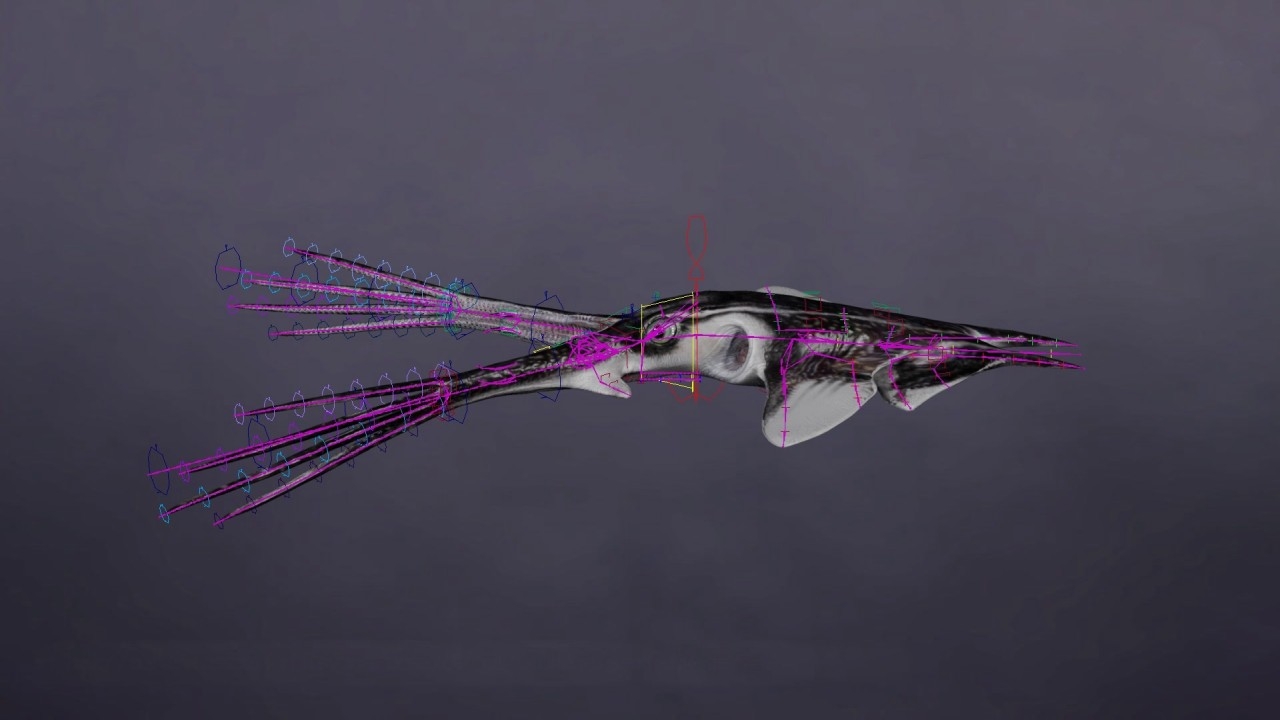
As an animator, you want rigs that are interactive and responsive. You don’t want slow rigs. You want to scrub the timeline in near real time. My fear was that a rig with enough tentacles, capable of stretching, squashing, and adhering along their length to both moving and static elements - like a ship or a crew member - would be too heavy to animate interactively. I was concerned the character would be difficult to animate, not just conceptually, but because the rig itself might be unmanageable.
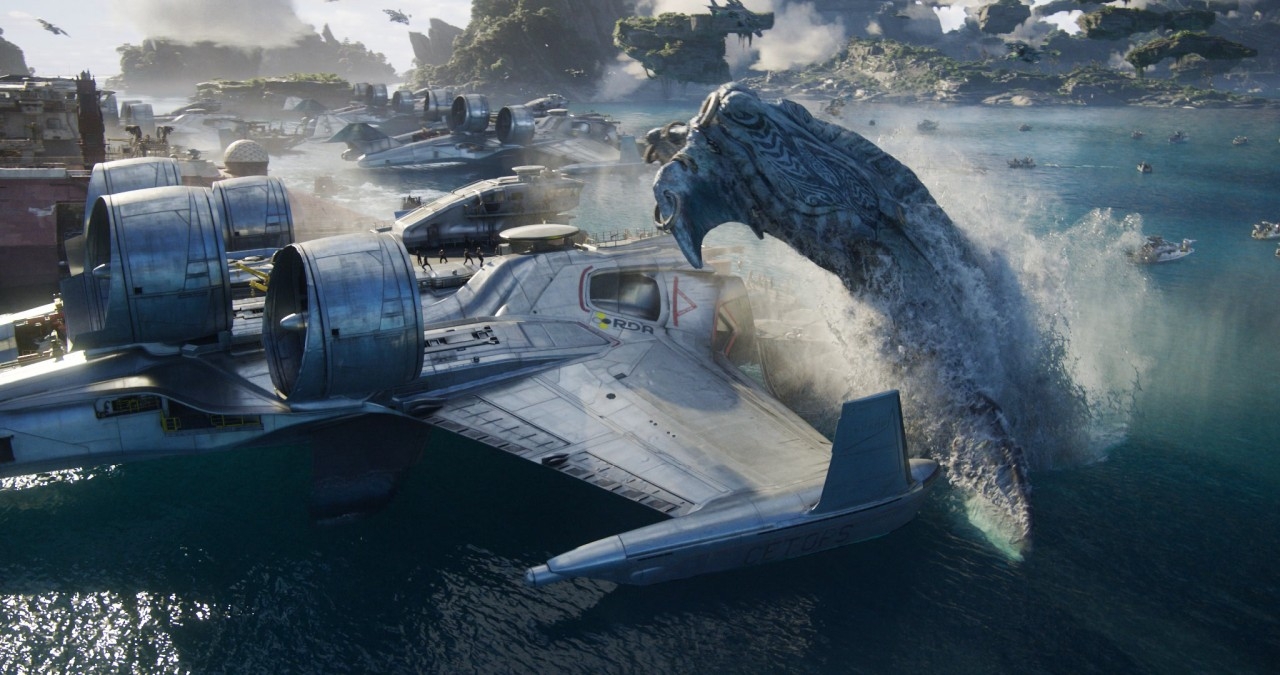
The creatures team did an exceptional job. There was extensive collaboration between creatures and animation. Steven Klee, one of the animation supervisors, worked closely with the creatures department to design and spec the rig. That turned into a system called Rope 2.0, essentially a pinnacle rope system, and integrated it into the tentacles. It turned out to be incredibly fun to animate. You can see animators clearly enjoying the sequence where the Tsyong creatures climb the back of the factory ship, leaping out of the water and performing crocodile rolls while they attack and devour the crew.
That sequence was supervised by Eric Reynolds, and his team did a phenomenal job. I remember when Jim first saw the crocodile roll. He whooped and said, “Yeah. We’re done here.”
DS: Looking at the finished film, what stands out to you as highlights of the work?
ES: For me, it’s the interactions. It’s the creatures. It’s the Varang and Neytiri fight - the first time we see Varang. It’s also Spider interacting as a live-action element. Spider appears in hundreds and hundreds of shots in this film, and you don’t really think about it. You forget he’s live-action within a CG environment.
In The Way of Water, Spider was present but not as fully integrated. In this film, the human and CG worlds are completely intertwined. In the first Avatar, you move from a mostly practical human environment into a CG world, and the two rarely cross. Here, they’re fully integrated.
Jack [Champion] was always filmed with other actors on set, which helped maintain natural performances. Advances in eyeline systems, depth compositing, and other tools allowed us to integrate those elements seamlessly. For me, those interactions are the biggest highlight.
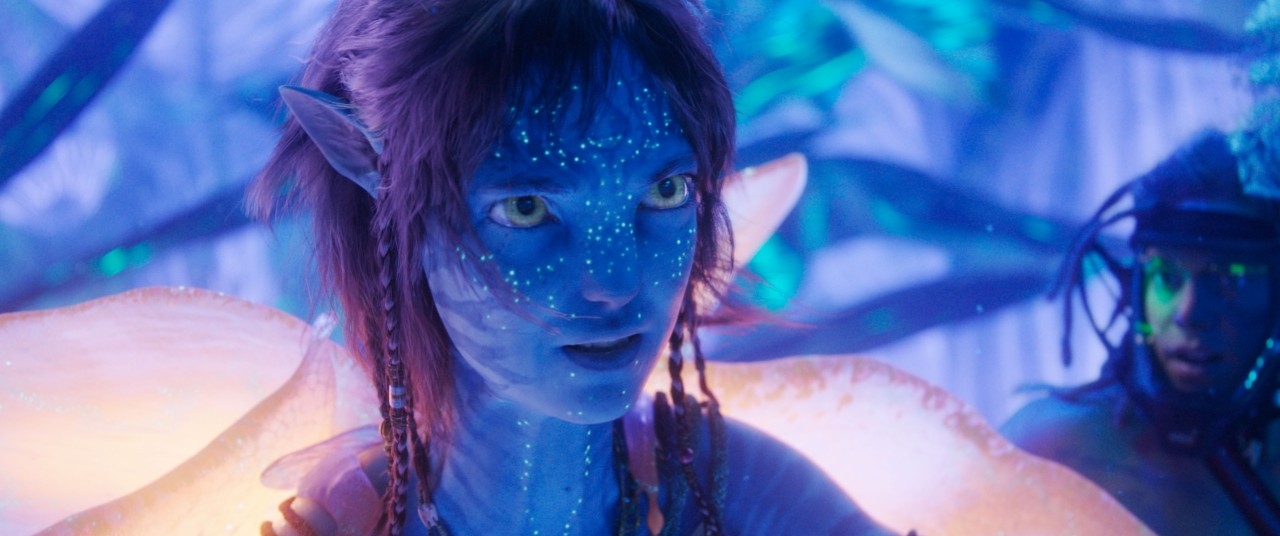
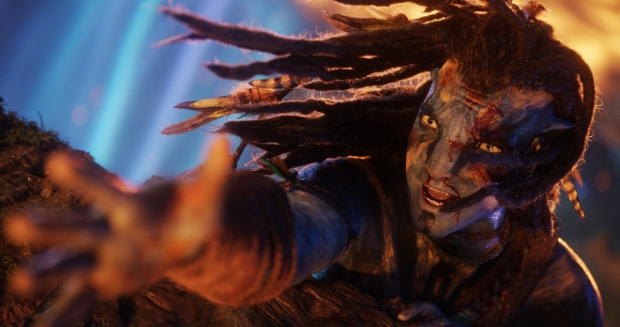
ES: Working on two films back-to-back allowed everyone involved to become experts - animators, effects artists, and actors alike. I’ve always got a soft spot for the performances. I feel such a commitment to bring their performances onto the screen. The performances from Sam, Zoe, and Sigourney are consistently strong throughout the film. Oona [Chaplin] receives a lot of attention because she’s new - and deservedly so - but that doesn’t diminish the work of the returning cast.
Britain [Dalton] had a particularly challenging role. He was playing a young character dealing with very dark emotional material, and he did that when he was only 16 years old. That’s not an easy thing to carry at that age, and he handled it remarkably well.
Across the board, the performances are strong, and the animation team did an excellent job translating those performances onto very different digital characters.
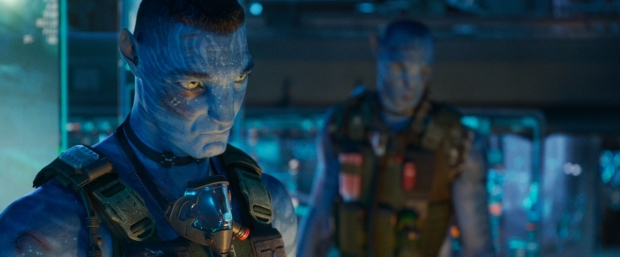
DS: That leads into something I wanted to ask as we move toward the end of the interview. There’s a growing misconception - often tied to poorly informed discussions about AI - around performance capture and animation. There’s an idea that these tools somehow make the work easy or automated. From my perspective, the latest tools are more sophisticated, but the work is no less demanding. They allow for greater nuance, not less effort. Is that a fair assessment?
DB: Absolutely. In facial performance, you can capture broad motion reasonably well, but that’s rarely what defines a great performance. Some of my favorite moments across the Avatar films are quiet close-ups, where almost nothing happens, but you still understand what the character is thinking or feeling. Every tool I’ve worked with gets us closer, but the most important details - the subtle eye flickers, micro-expressions, and emotional shifts - are often the hardest to capture.
That’s where the animator’s eye comes in. It’s a skill you develop over time. Early in my career, I looked at faces mechanically - what muscles were moving and how. That’s still important, but there’s another way of looking at performance. We talk with the team about stepping back and feeling the performance rather than analyzing it mechanically. You ask how Zoe’s performance makes you feel, then compare that to the CG version.
If the feeling doesn’t match, you go back to the mechanics.
We’re all experts at reading faces instinctively. Breaking down what creates those emotional cues and translating them onto a CG character… that’s the craft. The conversation around performance capture often fails to hold two truths at once: it’s entirely the actor’s performance, and it’s also the visual effects team that makes that performance visible on screen. There’s no magic button. We have powerful tools, but without artists who understand emotion and subtlety, the performances wouldn’t land.
ES: Jim often talks about the last 10%. The first 90% of a film - blocking, animation, environments - can be achieved relatively quickly. It’s the final 10%, the finesse and refinement, that truly defines the result. That last 10% applies across every department - animation, sound, production design. Many productions don’t allow time for it. Jim does, and that’s what sets these films apart.
DS: Last question. When you look back on the work you and your teams have done, there are always things you wish you could have done differently. When you see the finished film, do you feel all the blood, sweat, and tears are up there on screen? Are you satisfied with the finished film?
ES: It’s an interesting question, because on every movie you end up with what we call CBBs - “could be betters.” You usually have 20, 30, maybe even 50 of them. Most are extremely minor details that almost no one will ever notice, though some might be the kind of thing that would drive Jim crazy. This film was scheduled extremely well, and we were able to go back and address every single CBB we had. I still have one thing I would change - just one - and it’s very small.
DB: I have three shots I still have notes on. I’m not going to say which ones. Three shots, very minor notes. Considering the show has more than 3,000 shots, that’s a pretty good hit rate. I’m absolutely satisfied. One of the great things about working on a film like this, with a director who has both the vision and the clout, is being able to do the kind of work I really enjoy, with the time and resources to do it properly.
Most people want perfection. Jim wants perfection. We never quite get there, but we get very close. I’m very satisfied with the work, and I’m very proud of it.
ES: Disney trusted Jim enough to let him see that vision through without stepping in and giving notes. That level of trust is rare.

Dan Sarto is Publisher and Editor-in-Chief of Animation World Network.